
Best Cashmere V-Neck Sweater That Won’t Shrink in the Wash
Discover how to choose the Best Cashmere V-Neck Sweater that maintains its softness, shape, and quality without shrinking. Learn about cashmere quality, proper washing techniques, gentle detergents, drying methods, and storage tips to keep your favorite sweater looking luxurious for years.

Cashmere sweaters are admired for their exceptional softness, lightweight warmth, and timeless elegance. A well-made cashmere V-neck sweater can become one of the most versatile pieces in a wardrobe, offering comfort during cooler weather while complementing both casual and sophisticated outfits. However, one concern often prevents people from investing in cashmere knitwear. The possibility of shrinking during washing.
Finding the Best Cashmere V-Neck Sweater that maintains its original shape and softness requires understanding cashmere quality, knitting techniques, garment construction, and proper care. Although cashmere is naturally delicate, selecting the right sweater and following suitable washing practices can significantly reduce the risk of shrinkage.
Why Cashmere Sweaters Are Prone to Shrinking
Cashmere comes from the fine undercoat of cashmere goats. Its fibers are naturally soft, lightweight, and insulating, making them particularly desirable for premium knitwear.
Unlike many synthetic materials, cashmere fibers respond sensitively to changes in temperature, moisture, friction, and handling. When exposed to excessive heat or agitation, the fibers can become entangled and compacted. This process, commonly associated with felting, can cause a sweater to shrink, lose its smooth texture, or become distorted.
Shrinking does not always result from poor manufacturing. Even an expensive sweater can become damaged if it is washed incorrectly.
Understanding these characteristics helps shoppers choose a sweater that offers both lasting quality and manageable care requirements.
What Makes the Best Cashmere V-Neck Sweater More Durable
Not every cashmere sweater offers the same level of durability. Several important characteristics influence how well a garment maintains its shape over time.
Cashmere Fiber Quality
The quality of cashmere fibers plays an important role in determining softness, comfort, and durability. Fine, carefully selected fibers generally create a smoother and more luxurious texture.
However, softness alone does not guarantee that a sweater will resist shrinking. Fiber quality must work alongside suitable construction and finishing techniques.
When evaluating cashmere, consider the overall quality of the garment rather than relying exclusively on claims about fiber fineness.
Knit Construction and Density
The way cashmere fibers are knitted affects how a sweater responds to everyday wear and washing.
A balanced knit structure can help the garment maintain its shape while providing comfortable flexibility. Extremely loose knitting may be more vulnerable to stretching or distortion, while overly dense construction can affect softness and flexibility.
The Best Cashmere V-Neck Sweater should combine a comfortable knit structure with reliable construction that supports regular wear.
Proper Garment Finishing
Finishing techniques influence how cashmere feels and behaves after manufacturing. Quality finishing can help improve the garment's surface texture, appearance, and dimensional stability.
Some sweaters receive treatments designed to improve resistance to pilling or dimensional changes. However, no finishing process makes cashmere completely immune to shrinking.
Consumers should always follow the garment's care instructions rather than assuming that premium finishing eliminates washing risks.
How to Choose a Cashmere V-Neck Sweater That Maintains Its Shape
Selecting a cashmere sweater requires more than examining its appearance. A few practical considerations can help you make a better purchasing decision.
Check the Care Label Before Buying
The care label provides essential information about how a sweater should be cleaned.
Some cashmere garments are suitable for hand washing, while others require professional dry cleaning. Certain products may also be compatible with a carefully designed wool or delicate cycle.
If you prefer washing garments at home, look for a sweater with clear care instructions that match your routine.
Avoid purchasing cashmere based on appearance alone when its maintenance requirements are unclear.
Look for Reliable Construction
Examine the neckline, cuffs, shoulders, and seams before making a purchase.
A well-constructed sweater should have consistent stitching, balanced proportions, and a neckline that sits comfortably without excessive stretching.
The V-neck opening should maintain its intended shape, while the sleeves and body should feel proportionate.
Quality construction helps reduce common problems such as loose seams, distorted edges, and premature wear.
Choose a Comfortable Fit
Fit also influences how a sweater performs over time.
A garment that is excessively tight may experience unnecessary tension around the shoulders, chest, and neckline. Meanwhile, an oversized sweater may stretch under its own weight if it is repeatedly hung rather than folded.
Choose a fit that allows comfortable movement without putting excessive strain on the knitted structure.
Can You Wash a Cashmere V-Neck Sweater Without Shrinking It?
Yes, many cashmere sweaters can be washed at home without shrinking when their care instructions permit it and the correct washing method is followed.
The most important factors are water temperature, detergent selection, agitation, and drying technique.
Use Cool or Lukewarm Water
Hot water can increase the risk of damaging delicate cashmere fibers.
When hand washing is permitted, use cool or lukewarm water according to the manufacturer's instructions. Avoid sudden temperature changes between washing and rinsing.
Consistent water temperature helps minimize unnecessary stress on the fibers.
Choose a Gentle Detergent
Regular laundry detergents may contain ingredients that are unsuitable for delicate wool and cashmere garments.
Use a detergent specifically formulated for wool, cashmere, or other delicate fibers. Follow the product's recommended quantity rather than adding excessive detergent.
Strong cleaning products, bleach, and harsh stain removers can damage cashmere and affect its softness.
Avoid Excessive Agitation
Cashmere should never be scrubbed, twisted, or aggressively rubbed during washing.
Instead, gently move the garment through the water to remove dirt. If a particular area requires attention, carefully treat it without applying unnecessary friction.
Excessive agitation increases the likelihood of fiber damage, felting, and shrinkage.
Never Wring Out the Sweater
After washing, avoid twisting the garment to remove water.
Cashmere becomes heavier when wet, and aggressive handling can distort its shape.
Instead, gently press the sweater between clean towels to absorb excess moisture.
The Right Way to Dry Cashmere Without Shrinking
Drying is just as important as washing when it comes to maintaining cashmere quality.
Always Dry the Sweater Flat
Wet cashmere can stretch when suspended from a hanger.
To protect its shape, place the sweater on a clean, dry towel or a suitable flat drying surface. Carefully reshape the neckline, sleeves, and body while the garment is damp.
Allow it to dry naturally in a well-ventilated area.
Keep Cashmere Away From Direct Heat
Avoid tumble dryers, radiators, and direct sunlight unless the garment's care instructions specifically permit a particular method.
Excessive heat can damage fibers and contribute to shrinkage or distortion.
Patience is essential when drying delicate knitwear. Allowing the sweater to dry naturally helps preserve its softness and original dimensions.
Common Washing Mistakes That Cause Cashmere Shrinkage
Even a carefully selected sweater can become damaged through improper care.
Some common mistakes include washing cashmere with hot water, using an unsuitable detergent, placing it in a high-temperature dryer, and scrubbing aggressively.
Another frequent mistake is hanging a wet sweater to dry. The weight of the water can stretch the garment, particularly around the shoulders and neckline.
Avoid washing cashmere too frequently when it does not need cleaning. Regular airing and careful storage can help maintain freshness between washes.
Always check the manufacturer's instructions before attempting to clean a cashmere garment.
How to Store a Cashmere V-Neck Sweater Properly
Proper storage helps preserve cashmere's appearance and structure.
Fold sweaters neatly instead of hanging them for extended periods. Store them in a clean, dry environment with sufficient space to prevent unnecessary compression.
Before storing cashmere for a longer period, make sure it is completely dry and clean. This helps reduce the risk of unpleasant odors and fabric damage.
During warmer months, consider breathable storage options and appropriate protection against clothing moths.
Avoid placing heavy garments on top of delicate cashmere sweaters, as prolonged pressure may affect their shape.
Finding the Best Cashmere V-Neck Sweater for Long-Term Wear
Choosing the Best Cashmere V-Neck Sweater involves balancing material quality, garment construction, comfort, and maintenance requirements.
A premium sweater should feel comfortable, maintain its intended fit, and offer practical care instructions. However, even the finest cashmere requires attention to washing and storage.
Before purchasing, examine the fiber quality, knit construction, finishing, and care label. These details provide a more useful indication of long-term value than price or appearance alone.
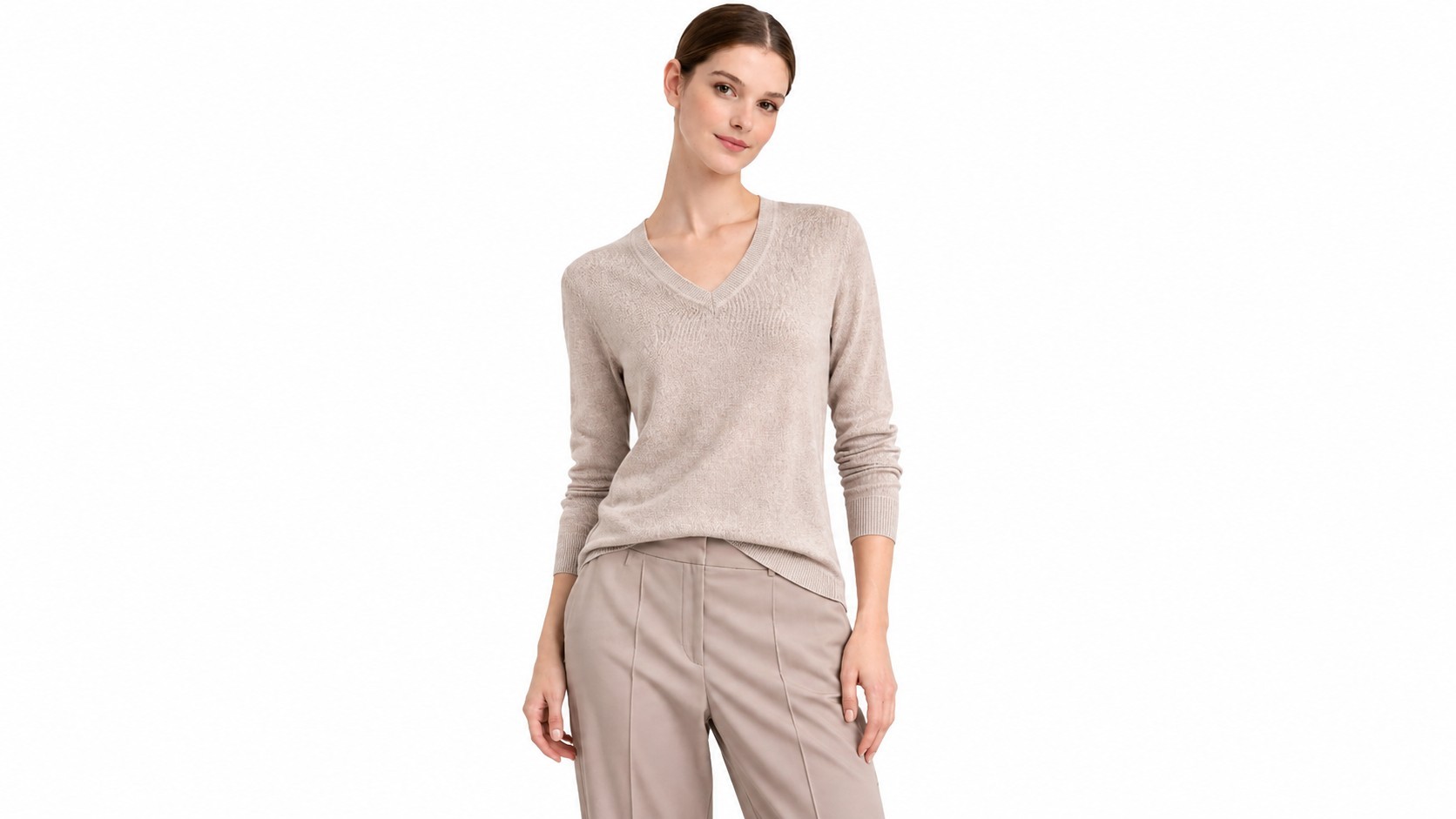
For shoppers exploring elegant knitwear options, a carefully selected cashmere V-neck sweater can provide exceptional versatility. It works well with tailored trousers, denim, skirts, and layered outfits, making it suitable for a variety of occasions.
The most reliable approach is to select quality cashmere, follow the manufacturer's care instructions, and handle the garment gently throughout its lifespan.
Final Thoughts
A cashmere V-neck sweater can remain soft, comfortable, and attractive for years when it receives appropriate care. While no cashmere garment can be guaranteed to resist shrinking under every washing condition, selecting quality construction and following gentle cleaning practices significantly reduces the risk.
The ideal sweater combines premium fibers, thoughtful design, comfortable fit, and manageable maintenance requirements.
By understanding how cashmere responds to washing, drying, and storage, you can make a more informed investment and enjoy the timeless appeal of this luxurious knitwear without unnecessary concerns about shrinkage.









Facebook Conversations