
Concrete Driveway Problems and Installation Tips
Learn how to prevent driveway cracks, drainage issues, and costly installation mistakes. Discover what to check before hiring a concrete driveway contractor.

How to Prevent Driveway Cracks, Drainage Problems, and Costly Installation Mistakes
A new driveway is a major home improvement, but poor preparation can lead to cracking, standing water, uneven surfaces, and expensive repairs. Homeowners searching for a concrete driveway near me often want more than a contractor who can simply pour concrete. They need to understand what causes driveway failures, how to choose the right installation method, and what steps can protect their investment. Whether an existing driveway has started sinking or a new construction project requires a durable parking surface, making informed decisions before installation can prevent common problems. Understanding soil conditions, drainage requirements, concrete thickness, and proper curing helps homeowners achieve a driveway that handles everyday vehicle traffic and changing weather conditions.
Why Do Concrete Driveways Develop Cracks and Uneven Surfaces?
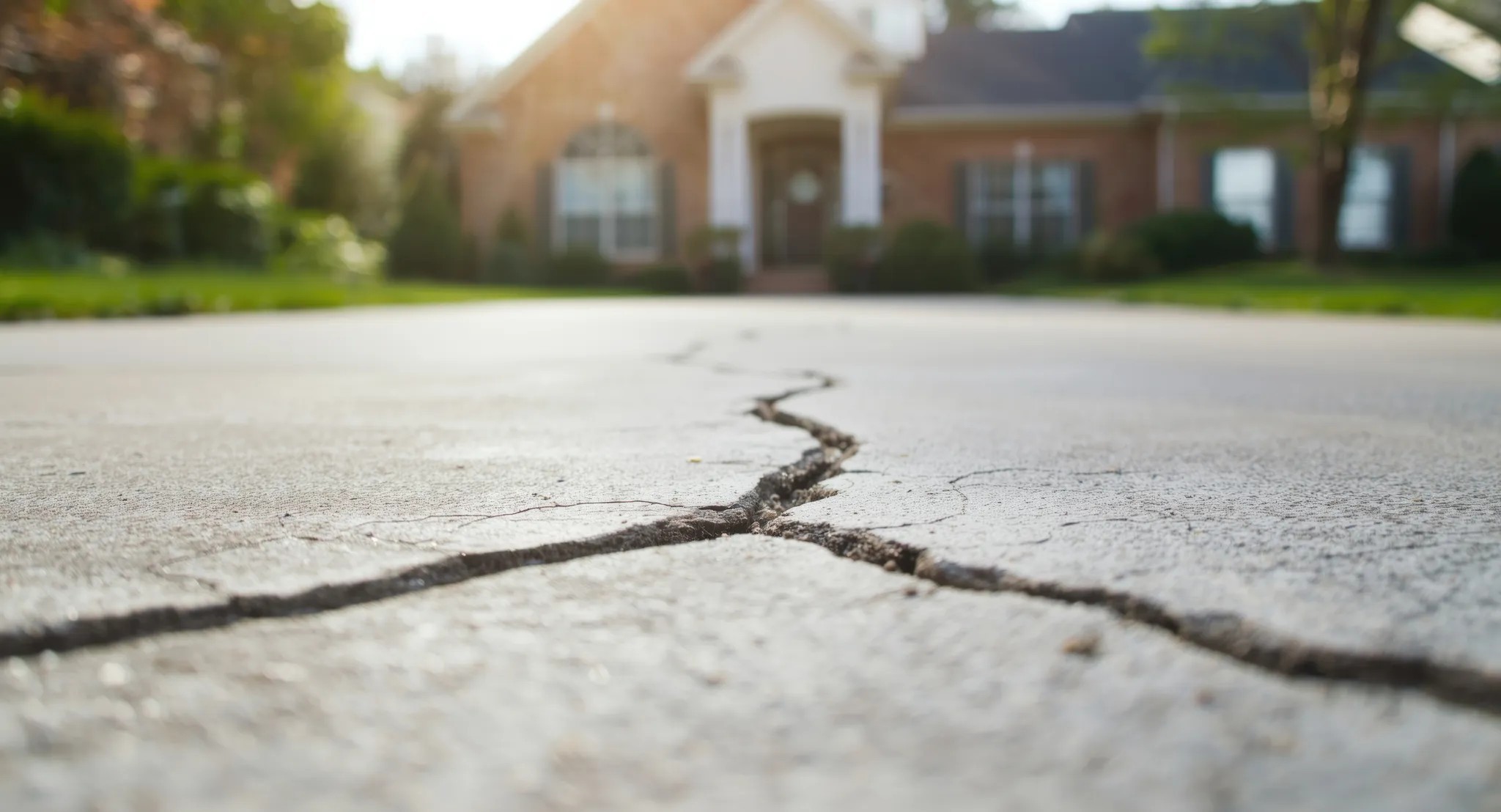
Cracks are among the most common problems homeowners experience with concrete driveways. Some develop because the ground underneath was not properly prepared, while others result from temperature changes, excessive weight, or inadequate control joints. When contractors pour concrete over loose soil, the surface may settle unevenly as the ground shifts. Heavy vehicles can make this problem worse, especially when the driveway was not designed to support their weight. Water entering small cracks can also weaken the surrounding material over time. Before starting a replacement project, homeowners should identify the original cause of the damage. Simply covering an existing problem with another layer of concrete rarely provides a lasting fix. Proper excavation, compacted base materials, and planned expansion joints help reduce future cracking.
What Should You Check Before Hiring a Driveway Contractor?
Choosing an installation contractor involves more than comparing estimates. Homeowners should ask how the ground will be prepared, what base material will be used, how thick the concrete will be, and how drainage will be managed. A contractor should also explain the expected project timeline and whether the estimate includes excavation, reinforcement, removal of old materials, and final cleanup. If you are comparing options for a concrete driveway near me, request an inspection of the property before accepting a final price. This allows the contractor to identify slopes, soft soil, drainage concerns, and access limitations that could affect installation. Ask to see examples of completed driveway projects and clarify the recommended maintenance schedule. Clear answers make it easier to compare contractors based on the actual work involved.
How Does Proper Drainage Protect a New Driveway?
Poor drainage can shorten the life of a driveway even when the concrete itself is installed correctly. Rainwater that collects near the garage, along the driveway edges, or in low areas can gradually affect the supporting soil. During repeated wet and dry conditions, the ground may expand, shrink, or become unstable. These changes can contribute to settlement and surface damage. A properly planned driveway should direct water away from the home's foundation and prevent large puddles from forming. Contractors can account for natural property slopes, grading requirements, and suitable drainage solutions during preparation. Homeowners should also consider where roof runoff travels and whether nearby landscaping directs water toward the driveway. Addressing these details before pouring concrete can prevent drainage problems that are difficult and expensive to correct later.
Which Concrete Thickness and Finish Work Best for Residential Driveways?
The appropriate concrete thickness depends on expected traffic, soil conditions, and the intended use of the driveway. A residential surface that supports passenger vehicles may have different requirements from one that regularly accommodates delivery trucks, heavy equipment, or recreational vehicles. Contractors should evaluate these factors instead of recommending the same specifications for every property. Reinforcement may also be appropriate depending on the project design and local conditions. The surface finish matters too. A broom finish provides texture that can improve traction, particularly during wet weather. Decorative finishes may offer a different appearance but should still meet practical performance needs. Homeowners researching a concrete driveway near me should ask contractors to explain why their proposed thickness, reinforcement, and finishing method suit the property's specific requirements.
How Can You Avoid Unexpected Driveway Installation Expenses?
Unexpected costs often develop when homeowners receive estimates that leave out important preparation work. Removing an old driveway, correcting drainage, excavating unsuitable soil, and installing a compacted base can affect the final project price. Access restrictions and existing landscaping may also increase labor requirements. To avoid surprises, request an itemized estimate that explains the materials, labor, site preparation, and additional services included in the project. Ask whether unexpected ground conditions will require separate approval and additional charges. Hampden Home Concrete, LLC understands the importance of planning residential concrete projects around the property's actual condition. Comparing detailed estimates helps homeowners recognize the difference between a low initial price and a properly planned installation. A clear project scope also makes scheduling and budgeting easier.
What Happens During Professional Concrete Driveway Installation?
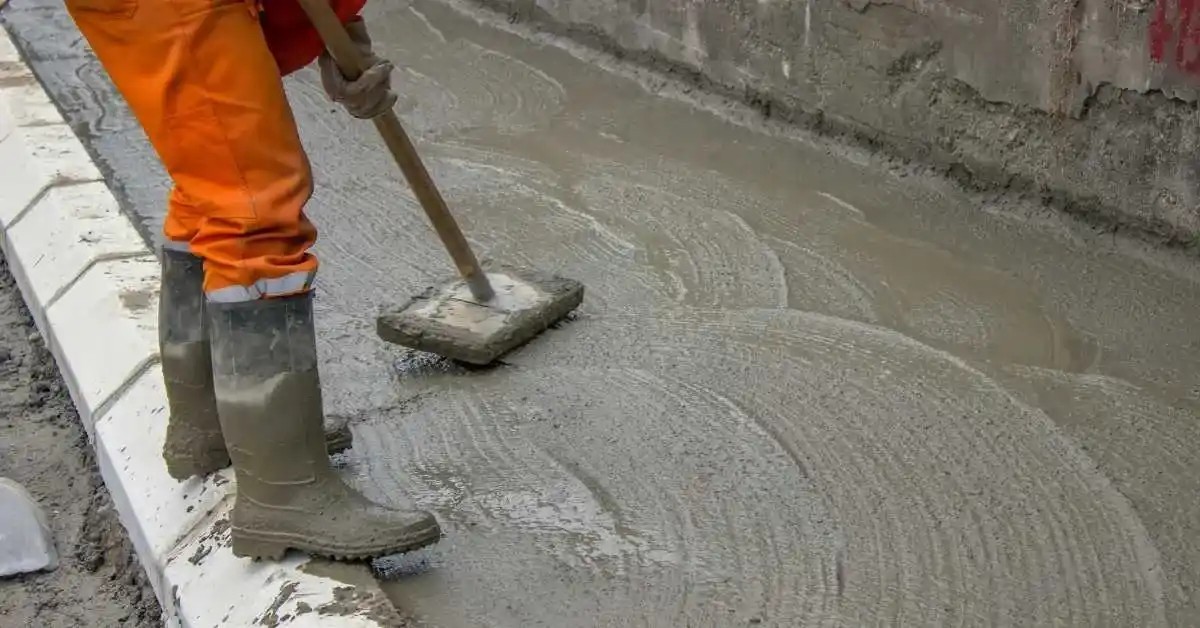
A properly planned installation follows several important stages. First, the existing surface and surrounding ground are evaluated. Old materials are removed when necessary, and the installation area is excavated to the required depth. Next, the soil is prepared and the base material is installed and compacted to create stable support. Forms establish the driveway's shape, while reinforcement and control joint placement are planned according to the project specifications. Concrete is then poured, leveled, and finished to achieve the intended appearance and slope. After finishing, the concrete needs appropriate curing time to develop strength. Homeowners looking for a concrete driveway near me should understand that allowing sufficient curing time is just as important as the pouring process. Driving on a new surface too early can damage an otherwise successful installation.
Frequently Asked Questions About Concrete Driveway Projects
Q1. How long does a newly installed concrete driveway take to cure?
Ans. Concrete generally needs about seven days before many passenger vehicles can use it, depending on the mix and conditions. Full design strength typically develops over approximately 28 days.
Q2. What causes water to collect on a concrete driveway?
Ans. Poor grading, incorrect slope, and low spots can prevent rainwater from draining properly.
Q3. Is replacing a cracked driveway better than repairing it?
Ans. It depends on the damage. Small isolated cracks may be repairable, while widespread cracking, sinking, and major settlement may require replacement.
Q4. How thick should a residential concrete driveway be?
Ans. Four inches is a common starting point for passenger vehicle driveways, but actual requirements depend on soil conditions, traffic loads, and local construction standards.
Q5. Can a new concrete driveway be installed over an existing one?
Ans. Sometimes, but the existing surface must be stable and suitable. Significant cracks, drainage problems, and settlement can make removal a better option.
Plan Your Driveway Project Before Small Problems Become Expensive
A successful driveway project starts with understanding the property's condition and selecting suitable installation methods. Soil preparation, concrete thickness, drainage, finishing, and curing all contribute to the finished surface's performance. Homeowners should never overlook these details simply to reduce the initial project cost. If you are comparing a concrete driveway near me, focus on contractors who explain their preparation process and provide clear project estimates. Hampden Home Concrete can help homeowners understand the important steps involved in residential concrete work, while Hampden Home Concrete LLC offers a local option when planning a new driveway or addressing an existing concrete surface. Taking time to discuss the property's needs before construction can help prevent avoidable mistakes and create a driveway that serves your household for years.









Facebook Conversations