
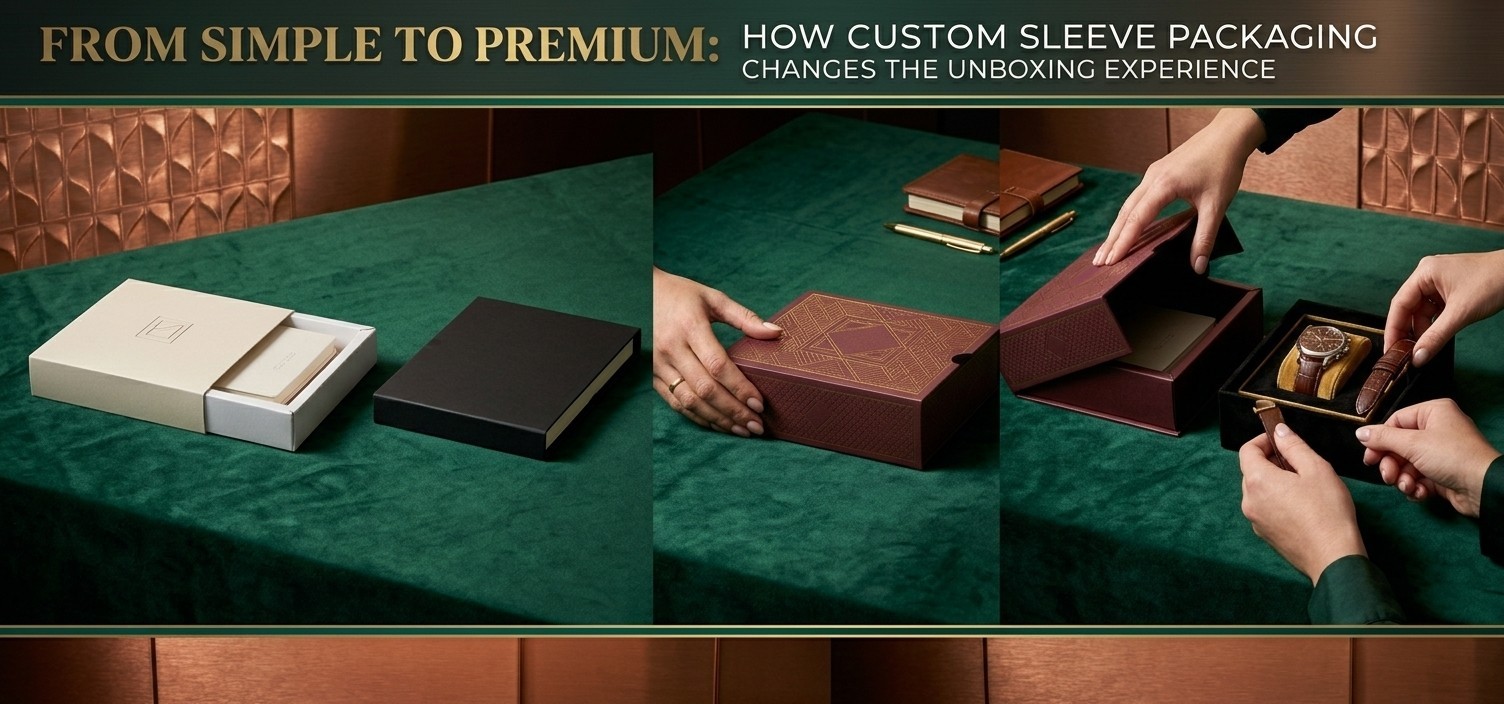
From Simple to Premium: How Custom Sleeve Packaging Changes the Unboxing Experience
How custom sleeve packaging transforms ordinary boxes into premium brand experiences through creative design, better presentation, and memorable unboxing moments.

In a world where customers can discover hundreds of products with just a few clicks, packaging has become much more than a protective layer around a product. It is often the first physical interaction a customer has with a brand, making it an important part of the overall buying experience. From the moment a parcel arrives at the doorstep to the instant the product is revealed, every detail can influence how customers perceive the brand.
This is where custom sleeve packaging makes a noticeable difference. What might seem like a simple cardboard sleeve can transform an ordinary package into a polished, memorable presentation. Instead of relying on plain boxes or conventional wrapping, businesses can use custom-designed sleeves to introduce their brand personality, highlight product details, and create a more exciting unboxing experience.
Whether used for cosmetics, apparel, electronics, subscription boxes, or premium gifts, custom sleeve packaging offers a practical way to combine visual appeal with functionality. More importantly, it shows how a relatively small packaging upgrade can make a product feel more thoughtful, valuable, and professionally presented.
Why the First Packaging Impression Matters More Than Ever
Customers often begin forming opinions about a product before they even see what is inside the box. The packaging's appearance, texture, structure, and overall presentation can influence whether the product feels ordinary or premium.
A plain package may serve its basic purpose, but it does not always communicate what makes a brand special. Custom sleeve packaging creates an additional visual layer that gives businesses an opportunity to make a stronger first impression without completely redesigning their existing packaging.
For example, a simple kraft box can look significantly more sophisticated when paired with a sleeve featuring elegant typography, carefully selected colors, and a clean layout. Similarly, a minimalist white box can become more distinctive with a printed sleeve that reflects the brand's identity.
The goal is not simply to make packaging look attractive. It is to create a consistent visual experience that builds customer confidence and makes the product feel worth opening.
Custom Sleeves: The Small Packaging Upgrade With a Big Visual Impact
One of the most appealing features of custom sleeve packaging is its ability to change the appearance of a product without requiring an entirely new box structure. A sleeve typically slides around an existing package, adding a branded outer layer while allowing the original box to remain simple.
This approach gives businesses considerable creative flexibility. They can experiment with different artwork, colors, finishes, and messaging while maintaining a practical packaging design.
A custom sleeve can introduce a premium appearance through:
- Brand-focused graphics: Logos, brand colors, and distinctive visual elements make the packaging instantly recognizable.
- Refined typography: Well-chosen fonts create a polished appearance and improve the readability of product information.
Tactile finishes: Matte coatings, embossing, debossing, or foil accents can add visual depth and a more sophisticated feel.
Creative messaging: Short product descriptions, thank-you notes, or brand statements can make the packaging feel more personal.
Thoughtful structural design: A properly fitted sleeve creates a neat, intentional appearance rather than looking like an unnecessary extra layer.
When these details work together, even a straightforward package can deliver a more elevated presentation.
Turning the Unboxing Process Into a Brand Experience
Unboxing is more than removing a lid or opening a parcel. It is a sequence of small interactions that gradually reveal the product. Custom sleeve packaging gives brands an opportunity to make that sequence more engaging.
The experience often begins with curiosity. A customer receives a package and notices its colors, finish, and design. As they slide the sleeve away, the product underneath becomes part of the reveal. This simple interaction can make opening the package feel more deliberate than unpacking a standard, unbranded box.
The experience becomes even more effective when the sleeve and inner packaging complement one another. For instance, a skincare brand might use a soft-colored sleeve around a clean white box, while a luxury candle company could choose a dark sleeve with subtle metallic details.
In both cases, the packaging communicates something about the product before the customer uses it.
However, a successful unboxing experience does not depend on expensive materials alone. A well-designed sleeve, a smooth opening mechanism, and a consistent visual theme can often create a stronger impression than unnecessary decorative elements.
From Ordinary Boxes to Premium Presentation: What Actually Changes?
The difference between standard packaging and custom sleeve packaging is not always about size or material. It is about how the product is presented and how carefully the packaging reflects the brand.
Consider the following comparison:
Packaging Element Simple Packaging Custom Sleeve Packaging
Visual identity Limited branding More opportunities for brand storytelling
Product presentation Functional and straightforward Coordinated and professionally styled
Unboxing interaction Basic opening process Additional reveal through sleeve removal
Design flexibility Often limited to the box itself Sleeve artwork can be updated independently
Perceived value Depends mainly on the product Packaging can reinforce a premium impression
Marketing potential Fewer branded surfaces Additional space for messaging and product details
These differences can be especially useful for businesses that want to improve presentation without replacing every component of their packaging.
A custom sleeve does not automatically make a product luxurious. The result depends on design quality, material selection, print accuracy, and how well the packaging matches customer expectations. When these elements are aligned, however, the upgrade can make the entire presentation feel more intentional.
The Psychology Behind Packaging That Feels Premium
People do not evaluate products solely on their practical features. They also respond to visual cues, textures, presentation, and the emotions associated with a purchase. Packaging can influence these perceptions by shaping how customers interpret the product's quality and personality.
Custom sleeve packaging provides several ways to create this effect.
A minimalist design can communicate simplicity and sophistication. Rich colors and carefully controlled metallic accents may suggest exclusivity. Natural textures and understated printing can support a brand identity built around craftsmanship or sustainability.
The physical interaction matters, too. A sleeve that fits properly and slides off smoothly can make the package feel carefully engineered. On the other hand, a sleeve that is too tight, too loose, or difficult to remove can interrupt the experience.
This is why premium packaging design should consider both appearance and usability. The most effective packaging feels attractive before opening and remains convenient throughout the process.
Ultimately, the objective is to create a positive impression that feels authentic to the brand rather than forcing a luxury aesthetic onto a product that does not need it.
Giving Customers a Reason to Remember Your Brand
A memorable unboxing experience can help a brand stand out after the purchase has been completed. Custom sleeve packaging offers a visible surface where businesses can reinforce their identity through consistent colors, logos, messaging, and distinctive artwork.
This becomes particularly valuable in crowded markets where multiple products may offer similar features or benefits. A recognizable packaging style gives customers another way to identify a business and remember their previous experience with it.
For example, a boutique clothing brand could use sleeves featuring seasonal artwork, while a specialty food company might include serving suggestions or a short explanation of its ingredients. A gift business could add personalized messages that make each order feel more considered.
These details do not need to be complicated. In many cases, a clear design and a meaningful message are more effective than filling every available space with promotional content.
Custom sleeves can also support a more consistent customer experience across product lines. When different products share a recognizable packaging style, customers begin to associate those visual details with the brand itself.
How Custom Sleeve Packaging Encourages Shareable Unboxing Moments
Online shopping has changed the way customers interact with packaging. Products are no longer experienced only in physical stores; they are also photographed, reviewed, and sometimes featured in unboxing videos across social media platforms.
Packaging that looks distinctive can provide an additional reason for customers to share their purchases. A carefully designed sleeve, an unexpected color combination, or an attractive product reveal can make the overall presentation more visually interesting.
For brands, this creates an opportunity to extend the product experience beyond the original transaction. When customers voluntarily post photographs or videos of their purchases, the packaging may become part of the content other potential buyers discover.
Still, shareability should not be the only design objective. Packaging needs to protect the product, remain easy to open, and represent the brand accurately. A visually appealing sleeve works best when it contributes to a genuinely satisfying experience rather than functioning as decoration alone.
Businesses can strengthen this effect by ensuring that the packaging looks good under different lighting conditions, keeps important information readable, and maintains a clean appearance during shipping.
Customization Choices That Make a Sleeve Feel More Exclusive
Creating premium-looking sleeve packaging begins with understanding the brand's audience and the product's position in the market. Not every business needs elaborate finishes or expensive materials. The right combination of design choices is usually more important than the number of decorative features.
Material Selection That Matches the Product
The material affects both the appearance and performance of a sleeve. Different paperboard grades offer different levels of stiffness, print quality, and durability.
A lightweight product may work well with a simpler sleeve, while heavier items may require stronger board and careful structural testing. The material should provide a suitable balance between presentation, protection, and cost.
Color Palettes With a Clear Purpose
Colors help establish the mood of the packaging. Neutral shades can create a clean, understated appearance, while bold colors can make a product more energetic and recognizable.
The best choice depends on the brand's existing identity and the expectations of its customers. Consistent use of color across packaging, websites, and other marketing materials can also help build recognition.
Finishing Details That Add Character
Finishing techniques can make a sleeve more distinctive without changing its basic structure. Matte finishes can create a subtle appearance, while gloss elements can emphasize selected graphics. Embossing and debossing introduce texture, and foil stamping can draw attention to a logo or key detail.
These techniques should be applied selectively. Too many finishes can make the design feel crowded and may increase production costs without meaningfully improving the customer's experience.
Personalized Messages That Feel Human
A sleeve can do more than display a logo. It can welcome customers, explain what makes the product different, or communicate a short brand message.
Simple wording such as a thank-you note or a brief explanation of the product's craftsmanship can make the packaging feel more personal. The key is to keep the message relevant and genuine.
The Business Benefits of Upgrading to Custom Sleeve Packaging
Although the visual impact is important, custom sleeve packaging can offer practical advantages for businesses as well.
One major benefit is design flexibility. Since the sleeve is often separate from the main box, businesses may be able to update artwork, seasonal graphics, or product information without changing the entire packaging structure. This can be useful for limited-edition products, promotional campaigns, and expanding product ranges.
Sleeves may also help brands maintain a consistent appearance across several packaging formats. A business can use a similar visual identity on different boxes by adapting the sleeve dimensions and artwork to each product.
Another advantage is the opportunity to improve perceived value. When packaging looks polished and matches the quality of the product, customers may view the purchase as more carefully presented. This can be particularly relevant for gifting, premium retail, and direct-to-consumer businesses.
Cost savings, however, should not be assumed automatically. Custom printing, finishing techniques, setup charges, and minimum order quantities can affect the final price. Businesses should compare complete packaging costs and test the design before committing to a large production run.
The strongest business case comes from finding a design that improves presentation while remaining practical to produce, store, and distribute.
Sustainable Packaging Design Without Losing the Premium Feel
Sustainability has become an important consideration for many brands and customers. Custom sleeve packaging can support more thoughtful packaging strategies when the materials and overall design are selected carefully.
For example, a sleeve may allow a business to keep a reusable or standard box while changing only the branded outer layer. Depending on the design, this may reduce the need to replace the entire package when branding or product information changes.
Businesses can also explore recyclable paperboard, responsibly sourced materials, and printing options compatible with their intended recycling systems. Simple structures and appropriately sized packaging may help avoid unnecessary material use.
However, a paper-based sleeve is not automatically the most sustainable option in every situation. Coatings, adhesives, mixed materials, transport requirements, and local recycling facilities can all affect its environmental impact.
The goal should be to balance visual quality with material efficiency and end-of-life considerations. A clean, well-designed sleeve can look premium without relying on excessive layers or unnecessary embellishments.
Common Design Mistakes That Can Weaken the Unboxing Experience
Even a high-quality sleeve can disappoint customers when the design prioritizes appearance over functionality. Avoiding a few common mistakes can make a significant difference.
Overcomplicating the artwork: Too many colors, graphics, and messages can make the sleeve look cluttered and distract from the product.
Ignoring fit and dimensions: A sleeve that slips off too easily or requires excessive force to remove can frustrate customers.
Choosing finishes without a purpose: Decorative effects should support the design rather than increase costs without adding meaningful value.
Overlooking print consistency: Poor alignment, inaccurate colors, or unclear text can make otherwise attractive packaging feel unprofessional.
Forgetting the product underneath: The sleeve should complement the main package rather than create a visual mismatch when removed.
Neglecting shipping conditions: Packaging should be evaluated under realistic handling and transport conditions to ensure that it reaches customers in good condition.
Testing prototypes before full production can help identify these issues early. A practical design should be visually appealing, easy to handle, and appropriate for the product's weight, dimensions, and distribution method.
How to Choose the Right Custom Sleeve Packaging for Your Brand
Selecting the right sleeve begins with defining the experience you want customers to have. A luxury skincare product may benefit from subtle finishes and restrained typography, while a colorful snack brand may need bold graphics and clear product information.
Start by identifying your primary objective. Are you trying to improve shelf appeal, create a memorable unboxing moment, strengthen brand recognition, or refresh existing packaging at a manageable cost?
Next, consider the product's physical requirements. Measure the box accurately, evaluate the sleeve's fit, and determine whether the material can withstand normal handling. If the package will be shipped directly to customers, test it under realistic shipping conditions.
It is also worth requesting physical samples before placing a large order. Samples allow you to evaluate color accuracy, material stiffness, print quality, and the ease of removing the sleeve. They can reveal problems that are difficult to identify from digital mockups alone.
Finally, compare suppliers based on more than price. Printing quality, customization options, production consistency, lead times, and minimum order quantities can all influence the final result.
A successful sleeve is one that fits the product, communicates the brand's personality, and creates a better experience without introducing unnecessary complexity.
From the First Touch to the Final Reveal: Why Every Detail Counts
The unboxing experience is built from a series of small moments. The customer notices the packaging, touches its surface, reads its message, removes the outer layer, and finally sees the product inside. Each interaction contributes to the overall impression.
Custom sleeve packaging gives brands an opportunity to connect these moments through thoughtful design. The sleeve introduces the brand, the underlying box supports the presentation, and the product reveal completes the experience.
When these elements feel connected, the package becomes more than a container. It becomes a physical expression of the brand's attention to detail.
This does not mean every product needs elaborate packaging. In fact, a simple sleeve with excellent typography, suitable materials, and a well-considered opening experience can be more effective than an expensive design filled with unnecessary features.
What matters most is consistency. The packaging should reflect the product's quality, meet the customer's expectations, and make opening the purchase feel natural and enjoyable.
Conclusion: Make Ordinary Packaging Feel Like Something Worth Opening
Custom sleeve packaging demonstrates how a relatively simple design element can influence the way customers experience a product. By adding a branded outer layer, businesses can improve visual presentation, create a more engaging product reveal, and communicate their identity without necessarily redesigning the entire package.
From carefully selected materials and refined printing to personalized messages and practical structural details, every choice contributes to the final impression. When these elements work together, even a straightforward box can feel more polished and memorable.
For brands looking to improve their packaging, the opportunity lies in understanding what customers value and translating those expectations into a thoughtful design. A successful sleeve does not need to be extravagant. It needs to be purposeful, visually consistent, easy to use, and appropriate for the product it presents.
Read More Information: https://ibexpackaging.com/custom-sleeve-boxes/









Facebook Conversations