
Cardboard Boxes: Strong, Smart and Sustainable Packaging
Explore cardboard boxes in every style, from corrugated to folding carton and rigid. Compare materials, sizes and finishes to find packaging that protects and sells.

Few packaging materials work as hard as cardboard. Cardboard boxes ship parcels across the country, hold products on retail shelves, and give customers their first impression of your brand. They’re light, easy to customise and widely recyclable, which is why they suit everything from a one-person online shop to a national retailer.
The word cardboard boxes covers several very different materials, though. A box that protects a glass bottle in transit is nothing like one that showcases a candle on a shelf. This guide covers the main types, how they compare, and how to choose the right one for your product.
What Are Cardboard Boxes?
Cardboard boxes are containers made from paperboard or corrugated board, used to store, protect, ship and display products. The term is a catch-all. In the packaging trade, “cardboard” usually means one of two things: solid paperboard (a single thick layer, like a cereal box) or corrugated board (a fluted layer sandwiched between flat liners, like a shipping carton).
That difference decides almost everything: how much weight the box can carry, how well it takes printing, how it feels in the hand, and what it costs.
Types of Cardboard BoxesCorrugated Boxes
Corrugated boxes are the workhorses of shipping. The wavy fluting between the liners acts like a row of tiny arches, absorbing impact and resisting crushing.
They come in several flute profiles:
- E-flute: thin and smooth, good for printing and smaller retail-ready boxes
- B-flute: a balanced choice for general shipping and stacking
- C-flute: a thicker standard for heavier products
- Double wall (BC-flute): two layers of fluting for fragile or heavy items
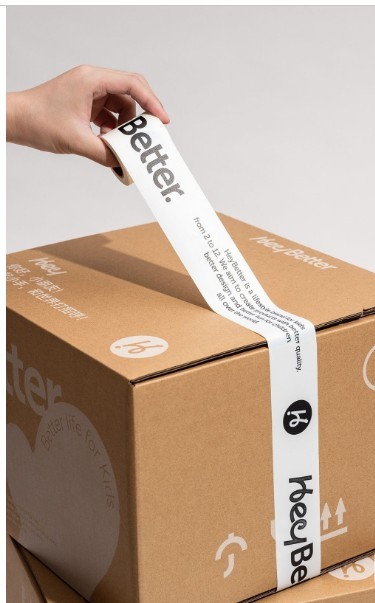
Corrugated is the sensible default for e-commerce, subscription boxes and anything that will be handled roughly in transit.
Folding Carton Boxes
Folding carton boxes are cut and scored from a single sheet of paperboard and shipped flat. They’re what you see on supermarket shelves: cosmetics, supplements, food, candles and small electronics.
Because the board is smooth, folding cartons print beautifully. They support full-colour printing, foil stamping, embossing and spot UV, so they’re a strong choice when presentation matters as much as protection.
Rigid Boxes
Rigid boxes are built from thick, dense board wrapped in printed or textured paper. They don’t fold flat and they feel premium. Think jewellery, tech accessories and luxury gift sets.
They cost more per unit than the other types, but the unboxing experience they create is hard to match.
Kraft Boxes
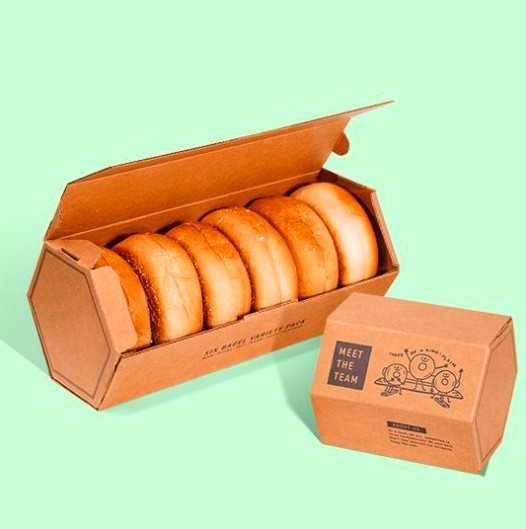
Kraft boxes use unbleached or natural brown paperboard or corrugated board. They suit brands that want a raw, eco-conscious look, and they print well with one- or two-colour designs. Kraft is available across corrugated, folding and mailer formats.
Cardboard Box Types Compared
TypeBest ForStrengthPrint QualityCost per Unit
CorrugatedShipping, storage, heavy itemsHighGood (E-flute best)Low to medium
Folding cartonRetail, cosmetics, food, supplementsMediumExcellentLow to medium
RigidLuxury, gifting, premium unboxingHighExcellentMedium to high
KraftEco-focused brands, mailers, shippingMedium to highGoodLow to medium
Why Choose Cardboard Boxes?They Protect What’s Inside
Well-specified cardboard absorbs shock, resists crushing when stacked and keeps dust and moisture away. Matching the board strength to your product weight is the key. Over-specify and you waste money; under-specify and you risk damage.
They Support Your Sustainability Story
Customers increasingly care about what happens to packaging after delivery. Cardboard is widely recyclable and can be made from recycled fibre. Choosing FSC-certified board where available, and keeping coatings and inserts paper-based, makes recycling easier for your customers.
They’re Endlessly Customisable
Size, shape, print, finish and inserts can all be tailored. Custom-sized boxes also cut down on void fill and dimensional shipping costs, which is a real saving at volume.
They Work Across Almost Every Industry
Food, beauty, apparel, candles, electronics, health products and gifts all rely on cardboard packaging. That versatility means there’s almost always an existing style close to what you need.
Show the Product: Cardboard Window Boxes
Sometimes the best way to sell a product is to let customers see it. Cardboard window boxes combine the structure of a standard carton with a clear cut-out, usually covered with a thin transparent film, so shoppers can see the contents without opening the pack.
They work especially well for:
- Baked goods and confectionery, where appearance sells the product
- Toys and kids’ products, where buyers want to see exactly what they’re getting
- Candles, soaps and cosmetics, where colour and texture matter
- Gift sets and hampers, where a glimpse of the contents builds anticipation
Window shape, size and placement can be customised to frame the product. Choose a food-safe film for edible products, and keep the window proportionate so the box keeps its structural strength.
Choosing the Right Thickness and Material
Board thickness is measured in different ways depending on the material, so it helps to know the basics.
- Paperboard is typically specified by GSM (grams per square metre). Lighter stocks suit sleeves and lightweight cartons, while heavier stocks suit larger or heavier retail products.
- Corrugated board is specified by flute type and wall count (single, double). Heavier or more fragile items call for stronger combinations.
- Coatings and laminations such as matte, gloss, soft-touch or aqueous add scuff resistance and change the look and feel.
Ask for a physical sample or prototype before committing to a large run. Seeing and handling the box tells you more than any spec sheet.
How to Choose the Right Cardboard Box for Your Product
Work through these questions in order:
- What is the product’s weight and fragility? This sets the minimum board strength.
- Will it ship, sit on a shelf, or both? Shipping demands corrugated strength; shelves reward print quality.
- What are the exact product dimensions? Measure length, width and height, and allow room for inserts or protective material.
- What presentation do you want? Premium products suit rigid or high-finish cartons, while eco brands suit kraft.
- What’s your budget and order volume? Larger runs reduce unit costs, and custom tooling is easier to justify at volume.
- How will customers dispose of it? Keep the box as mono-material as you can for easy recycling.
Custom cardboard boxes give you plenty of ways to stand out:
- Printing: offset, digital or flexographic, depending on volume and detail
- Finishes: matte or gloss lamination, spot UV, foil stamping and embossing
- Inserts: paperboard, corrugated or moulded pulp to hold products in place
- Structural features: windows, handles, tear strips, tuck flaps and hanging holes
- Branding touches: inside-lid prints, thank-you messages, QR codes
Spend your customisation budget where customers will notice it most. For a shipping box, that’s often the inside print and a clean, well-fitting insert. For a retail carton, it’s the front panel and finish.
Common Mistakes to Avoid
- Choosing a box that’s too big. Extra space means more movement, more damage and higher shipping costs.
- Ignoring stacking strength. A box that survives alone may collapse under pallet weight.
- Skipping the sample. Colours and finishes can look different on screen versus in hand.
- Overcomplicating the design. Too many finishes can raise costs without improving the result.
- Forgetting recyclability. Heavy plastic coatings and mixed materials can make recycling harder.
Cardboard boxes earn their place because they do several jobs at once. They protect, present, promote and, with the right choices, support your sustainability goals. Corrugated suits shipping, folding cartons suit retail, rigid boxes suit luxury, and window styles let the product speak for itself.
Start with your product’s weight, fragility and journey, then choose the material and finish that match. Order a sample, test it, and refine before you scale.
Ready to create packaging that fits your product and your brand? Explore the full range of custom cardboard packaging at DODO Packaging AU and get a tailored solution for your business.











Facebook Conversations