
How Commercial Infrastructure Supports Business Growth
Discover how modern infrastructure, planned commercial districts, technology, and sustainable development can support business growth.

Business growth depends on several factors, including financial planning, customer demand, skilled employees, and access to suitable facilities. However, one important factor that businesses sometimes overlook is the quality of the surrounding infrastructure. Roads, utilities, digital connectivity, and well-planned commercial spaces can influence how efficiently a company operates and how easily it can expand.
As cities develop and industries evolve, the demand for organized commercial environments continues to grow. Businesses need locations that support daily operations while offering access to customers, suppliers, employees, and essential services. Modern commercial infrastructure can help meet these needs when development is guided by practical planning and a clear understanding of market requirements.
Why Infrastructure Matters for Businesses
Infrastructure creates the foundation on which commercial activities take place. A business may have a strong product and an effective management team, but operational challenges can arise when transportation is unreliable, utilities are inadequate, or the workplace is poorly located.
Good infrastructure can support businesses in several ways:
Improved accessibility: Convenient road connections help employees, customers, and suppliers reach business locations.
Operational efficiency: Reliable utilities and digital services reduce disruptions to daily activities.
Better customer experience: Accessible premises and organized surroundings can make businesses easier to visit.
Expansion opportunities: Suitable commercial spaces can provide room for companies to increase their operations.
Long-term planning: Well-developed areas may help businesses assess future requirements more effectively.
These advantages depend on the quality of implementation, maintenance, and actual demand. Infrastructure alone does not guarantee business success, but it can remove obstacles that make growth more difficult.
The Role of Planned Commercial Districts
Commercial districts bring offices, retail spaces, service providers, and other business activities into designated areas. When properly planned, these locations can improve land utilization and create a more organized environment for commercial operations.
Businesses choosing a location should consider more than the appearance of a building. They should evaluate nearby facilities, transportation links, parking, utility availability, and the needs of their target customers.
For example, a retail business may benefit from visibility and convenient customer access, while a technology company may prioritize digital connectivity and access to skilled professionals. A logistics operation may require efficient road connections and sufficient space for vehicles and storage.
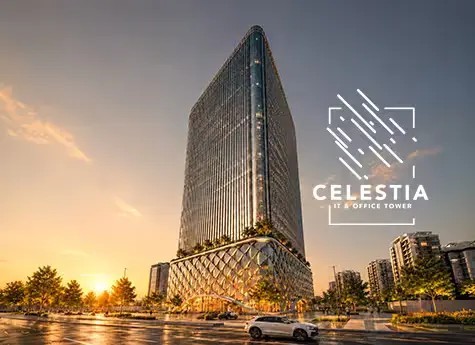
Exploring modern commercial development projects can provide useful context about planned business environments and infrastructure initiatives. Businesses should review project details and assess whether a particular location matches their operational needs before making a commitment.
Technology and the Changing Business Environment
Technology has become an essential part of modern commercial activity. Businesses increasingly rely on online communication, cloud-based applications, digital payments, data analysis, and automated processes to serve customers and manage operations.
Reliable digital infrastructure helps companies use these tools effectively. It can also support collaboration between teams working from different locations and make it easier to manage information.
Technology-oriented commercial environments may provide additional opportunities for businesses that depend on innovation and technical expertise. However, companies should assess practical requirements, including internet reliability, cybersecurity, equipment costs, and employee skills.
Digital solutions are most effective when they address real business needs. Investing in new systems without a clear purpose can increase costs rather than improve productivity.
Evaluating Commercial Property Before Investing
Commercial property can be an important long-term business asset, but every investment requires careful assessment. A promising location may still present financial or operational risks if costs, legal requirements, or market demand are not properly understood.
Before purchasing or leasing commercial space, businesses and investors should examine the following factors:
Location: Assess accessibility, surrounding businesses, transport connections, and proximity to the intended customer base.
Total costs: Include the purchase price or rent, utilities, maintenance, taxes, and renovation expenses.
Legal documentation: Verify ownership records, relevant approvals, permitted property use, and contractual terms.
Infrastructure: Confirm that essential utilities and facilities are available and suitable for the intended operation.
Market demand: Research whether the area can support the type of business or property being considered.
Future flexibility: Consider whether the premises can accommodate changing operational requirements.
Investors researching commercial investment opportunities can consult available project information as part of their initial research. This should be followed by independent verification, financial analysis, and professional advice where appropriate.
No location or development project should be treated as a guaranteed source of profit. Investment outcomes depend on market conditions, project execution, costs, and other factors.
Sustainability and Efficient Resource Management
Sustainable infrastructure is becoming increasingly relevant to business planning. Energy-efficient buildings, responsible water use, effective waste management, and accessible transportation can help address resource challenges while supporting more functional commercial environments.
Businesses can contribute by selecting energy-efficient equipment, monitoring utility consumption, reducing unnecessary waste, and maintaining their premises responsibly. These measures may also help manage operating expenses over time.
Developers can support sustainability by considering environmental performance during the planning and construction stages. Appropriate design choices, however, must reflect local conditions, practical requirements, and long-term maintenance needs.
Collaboration for Better Development
Commercial infrastructure development often involves government institutions, private businesses, investors, planners, and construction professionals. Cooperation among these stakeholders can help align development plans with practical commercial requirements.
Transparent project information and realistic timelines are especially important. Businesses need to understand what facilities are available, which developments are underway, and what approvals or requirements apply before making decisions.
Public and private stakeholders can also benefit from feedback from businesses and local communities. This information may help identify accessibility concerns, service gaps, and changing market needs.
Effective collaboration does not remove every development challenge, but it can support better coordination and more informed decision-making.
Conclusion
Modern commercial infrastructure plays an important role in creating conditions that support business activity. Accessible locations, reliable utilities, digital connectivity, and well-planned commercial spaces can improve operational efficiency and help companies prepare for future requirements.
For businesses and investors, the key is to evaluate opportunities carefully rather than relying on appearance or expectations alone. Researching costs, verifying documentation, understanding market demand, and reviewing infrastructure can lead to more informed decisions.
As urban areas continue to evolve, thoughtful commercial development can help connect businesses with the facilities and services they need. When supported by realistic planning, responsible investment, and effective management, modern infrastructure can contribute to a stronger and more adaptable business environment.














Facebook Conversations