
The Role of Early Diagnosis and Family Awareness in Managing Inherited Blood Disorders
Learn how early diagnosis, genetic counseling, family awareness, and safe blood donation help manage inherited blood disorders such as thalassemia and hemophilia.

Inherited blood disorders can affect a person's health throughout their life, but early diagnosis and proper medical support can make a meaningful difference. Conditions such as thalassemia and hemophilia require ongoing attention, informed decisions, and cooperation between patients, families, and healthcare professionals. In communities where awareness is limited, many families may not understand the importance of screening until a health problem appears. Improving access to reliable healthcare services can help families find guidance, understand their options, and make informed decisions about treatment and long-term care.
Understanding Inherited Blood Disorders
Inherited blood disorders develop because of genetic changes passed from parents to children. Unlike many common illnesses, these conditions are not caused simply by diet, lifestyle, or environmental exposure.
Thalassemia affects the body's ability to produce normal hemoglobin, the protein in red blood cells responsible for carrying oxygen. Depending on the type and severity, a person may experience mild anemia or require regular blood transfusions and specialist care.
Hemophilia is another inherited condition that affects blood clotting. People with hemophilia may experience prolonged bleeding, easy bruising, or bleeding into joints and muscles. The severity varies, and appropriate treatment helps reduce complications.
Understanding these conditions is an important first step toward reducing stigma and helping affected individuals receive suitable medical attention.
Why Early Diagnosis Matters
Early diagnosis allows families and healthcare professionals to understand a condition before complications become more difficult to manage. It also helps patients access appropriate care and receive guidance suited to their individual needs.
Depending on the condition, diagnosis may involve blood tests, hemoglobin analysis, clotting tests, and genetic assessment. A qualified healthcare professional can determine which tests are appropriate based on symptoms, family history, and clinical findings.
Early identification can offer several benefits:
Timely treatment: Patients can begin appropriate care based on their diagnosis.
Better family understanding: Relatives can learn about inheritance patterns and possible risks.
Informed family planning: Genetic counseling can help prospective parents understand reproductive options.
Ongoing monitoring: Healthcare teams can identify complications and adjust care when needed.
Emotional preparation: Families can better understand what to expect and where to seek support.
Screening does not guarantee that every health problem can be prevented, but it can provide valuable information for making informed decisions.
The Importance of Family Awareness
Family members often play a central role in managing inherited conditions. They may help arrange appointments, support treatment routines, monitor symptoms, and encourage patients during difficult periods.
However, misunderstandings can create unnecessary anxiety. Some families mistakenly believe that inherited blood disorders are contagious or that a person with such a condition cannot pursue education, employment, or personal goals. These assumptions can lead to discrimination and social isolation.
Accurate information helps replace fear with understanding. Families should be encouraged to discuss medical concerns openly with qualified professionals rather than relying on rumors or unverified online advice.
Parents can also help children understand their condition in an age-appropriate way. When children know why they need medical appointments or treatment, they may feel more confident participating in their own care.
Genetic Counseling and Informed Decisions
Genetic counseling is an important resource for people who have a family history of inherited blood disorders or who receive a positive screening result. A trained professional can explain inheritance patterns, discuss the meaning of test results, and help individuals understand available options.
For thalassemia, carrier screening can be particularly important before marriage or pregnancy in populations where the condition is more common. If both partners carry a relevant thalassemia gene variant, there may be a risk of having a child with a more severe form of the disorder. The exact risk depends on the specific variants involved.
Counseling should be respectful, confidential, and free from blame. Being a carrier is not a personal failing, and screening should never be used as a reason to stigmatize individuals or families.
Instead, the goal is to support informed choices and help people access accurate medical information.
Blood Donation and the Need for Community Participation
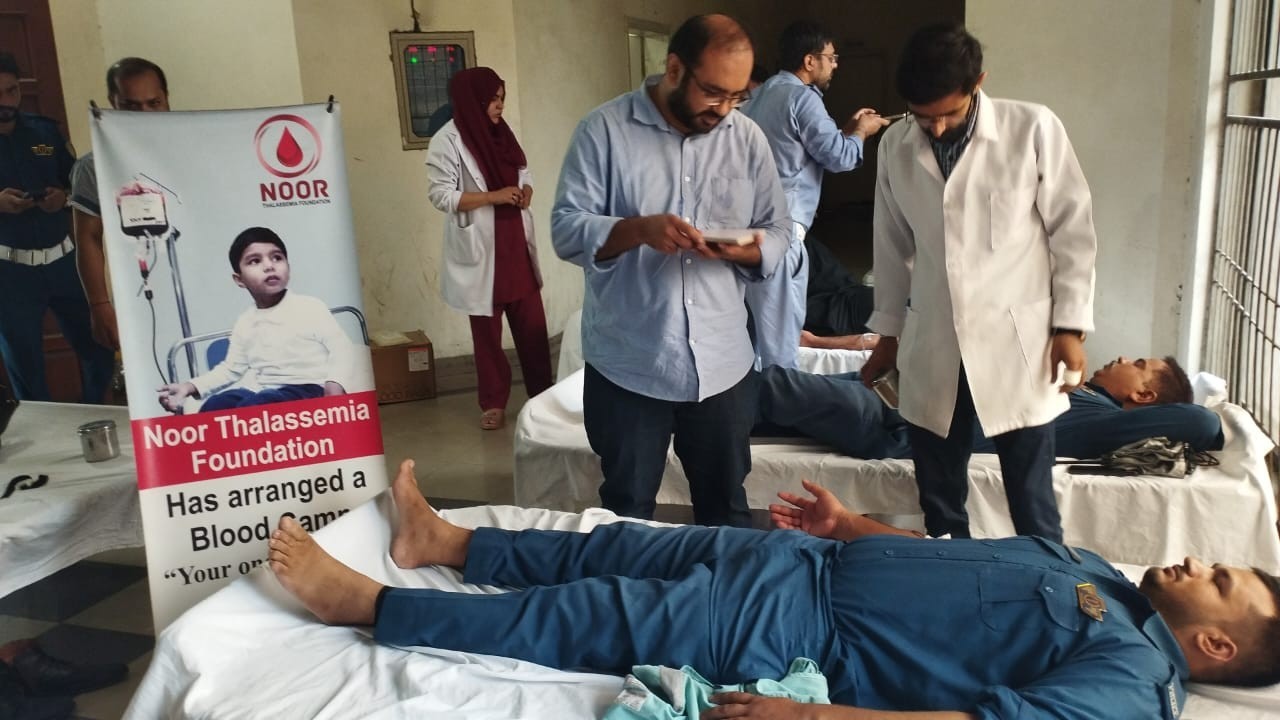
For many people living with transfusion-dependent thalassemia, a safe and dependable blood supply is an essential part of treatment. Blood transfusions can help manage severe anemia, but they must be provided according to medical guidance, with appropriate testing and monitoring.
Voluntary blood donors contribute to a healthcare system that supports patients who depend on transfusions. Community participation becomes especially important when hospitals experience shortages or when patients need ongoing transfusion support.
People interested in helping can explore blood donation opportunities through reputable hospitals and established organizations. Before donating, individuals should meet the applicable eligibility requirements and follow the screening process set by the blood collection service.
Safe donation practices include:
Donating through licensed or reputable blood collection services.
Providing accurate information during donor screening.
Following medical advice about eligibility and donation frequency.
Encouraging eligible friends and family members to learn about voluntary donation.
Avoiding pressure on anyone who is medically unable to donate.
Blood donation is not a substitute for comprehensive treatment, but it can be a vital part of care for patients who require transfusions.
Supporting Patients Beyond Medical Treatment
Managing an inherited blood disorder involves more than laboratory tests and hospital visits. Patients may face emotional stress, financial difficulties, interruptions to education, or challenges maintaining social relationships.
Children and teenagers may worry about being treated differently by their peers. Adults may struggle to balance employment with appointments and ongoing care. Families may also experience stress when treatment costs and travel create additional burdens.
Supportive communities can make these challenges easier to manage. Schools can work with families to accommodate medical appointments, while employers can promote fair and practical workplace arrangements. Community organizations can help people find credible information, emotional support, and available assistance.
Mental and emotional well-being should also be part of patient care. Where needed, patients and caregivers can seek help from qualified mental health professionals or support groups.
The Role of Healthcare Organizations
Healthcare organizations and community-based initiatives can help bridge the gap between medical knowledge and public understanding. Their work may include awareness sessions, screening guidance, donor education, patient support, and referrals to appropriate healthcare providers.
Effective awareness programs should use simple language and address common misconceptions. Information is more useful when people understand not only what a condition is, but also when to seek medical advice and how to access appropriate services.
Collaboration is equally important. Healthcare professionals, educational institutions, families, donors, and nonprofit organizations can work together to make information and support more accessible.
Organizations such as Noor Thalassemia Foundation are part of the wider effort to raise awareness and support people affected by blood disorders. Community members can explore relevant initiatives and verified information to understand how they may contribute.
Practical Steps for Families and Communities
Building awareness does not always require complicated programs. Small, consistent actions can help more people understand inherited blood disorders and the importance of early medical guidance.
Families and community members can:
Discuss relevant family medical history with a healthcare professional.
Ask whether screening or genetic counseling is appropriate before marriage or pregnancy.
Share information from reputable medical and public health sources.
Encourage eligible individuals to learn about safe, voluntary blood donation.
Treat patients with dignity and avoid language that creates stigma.
Help affected families identify trustworthy healthcare providers and support services.
Encourage children with chronic conditions to continue their education and participate in everyday activities as their health allows.
These steps can strengthen awareness while ensuring that medical decisions remain guided by qualified professionals.
Conclusion
Inherited blood disorders present long-term challenges, but early diagnosis, accurate information, and compassionate support can help patients and families manage them more effectively. Screening and genetic counseling allow people to make informed decisions, while safe blood donation supports individuals who depend on transfusions.
Most importantly, awareness should lead to understanding rather than judgment. When families, healthcare professionals, and community organizations work together, people living with thalassemia, hemophilia, and other inherited conditions have a better opportunity to receive appropriate care and participate fully in everyday life.










Facebook Conversations