
Custom Bread Bags: How Bakery Packaging Shapes Customer Experience
Explore custom bread bags for bakeries, including paper materials, branding, freshness, and packaging tips for retail and wholesale needs.

Custom bread bags are more than a way to carry freshly baked products. They help bakeries protect bread, communicate product information, improve retail presentation, and create a recognizable brand identity. Whether a business sells artisan sourdough, sandwich loaves, baguettes, dinner rolls, or specialty bread, the right packaging can influence how customers perceive the product before taking their first bite.
For bakeries, cafés, supermarkets, and wholesale bread suppliers, choosing suitable custom bread bags involves balancing freshness, material quality, ventilation, durability, and visual appeal. Well-designed packaging can make products easier to handle while giving customers useful information about the bakery and its offerings. With options ranging from paper bread bags to windowed packaging and printed designs, businesses can choose solutions that reflect their products, customers, and brand values.
What Makes Custom Bread Bags Different?
Unlike generic packaging, custom bread bags can be tailored to a bakery's product dimensions, presentation requirements, and branding preferences. Businesses can select appropriate sizes, paper grades, window styles, closures, and printed elements according to how their bread is prepared, displayed, and sold.
For example, a bakery selling long baguettes may require narrow, elongated bags, while a business offering sliced sandwich bread may prefer wider packaging. Small bread rolls and specialty loaves can require different dimensions to prevent excessive empty space or an unsuitable fit.
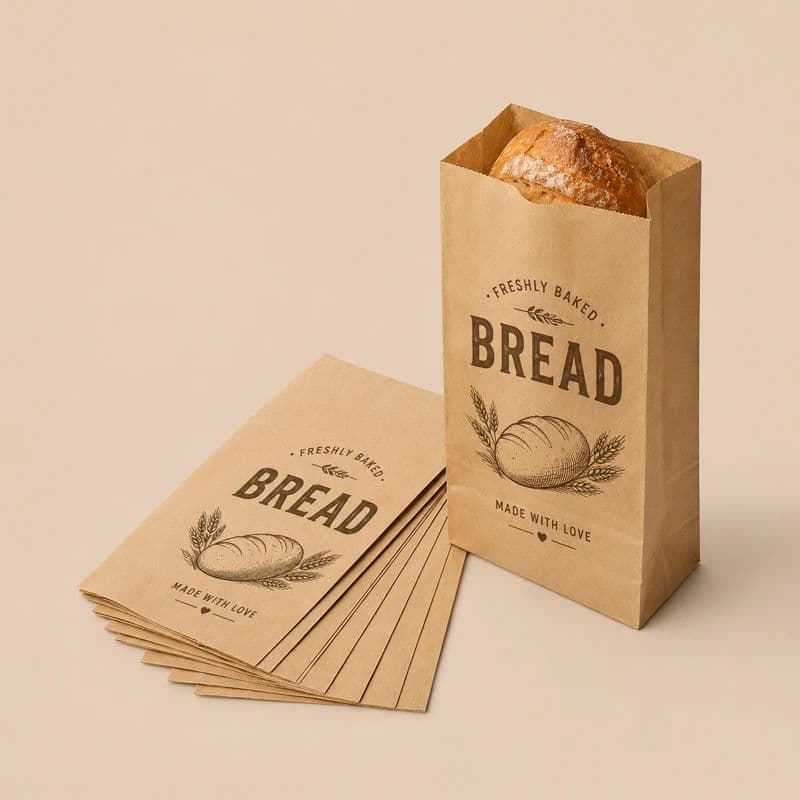
Custom bakery bags can also include practical features such as transparent windows, folded tops, ventilation openings, and space for product labels. These features should be selected according to the bread's moisture content, crust characteristics, expected shelf life, and storage conditions.
The primary goal is to create packaging that supports product handling while maintaining an appealing presentation. By matching the bag to the product, bakeries can develop a more consistent packaging experience across their product range.
How Custom Bread Bags Influence Customer Perception
Packaging often creates the first physical impression customers have of a bakery product. Before tasting the bread, customers may notice the bag's material, printing quality, design, and overall cleanliness. These visual and tactile details can influence whether the product appears fresh, carefully prepared, and professionally presented.
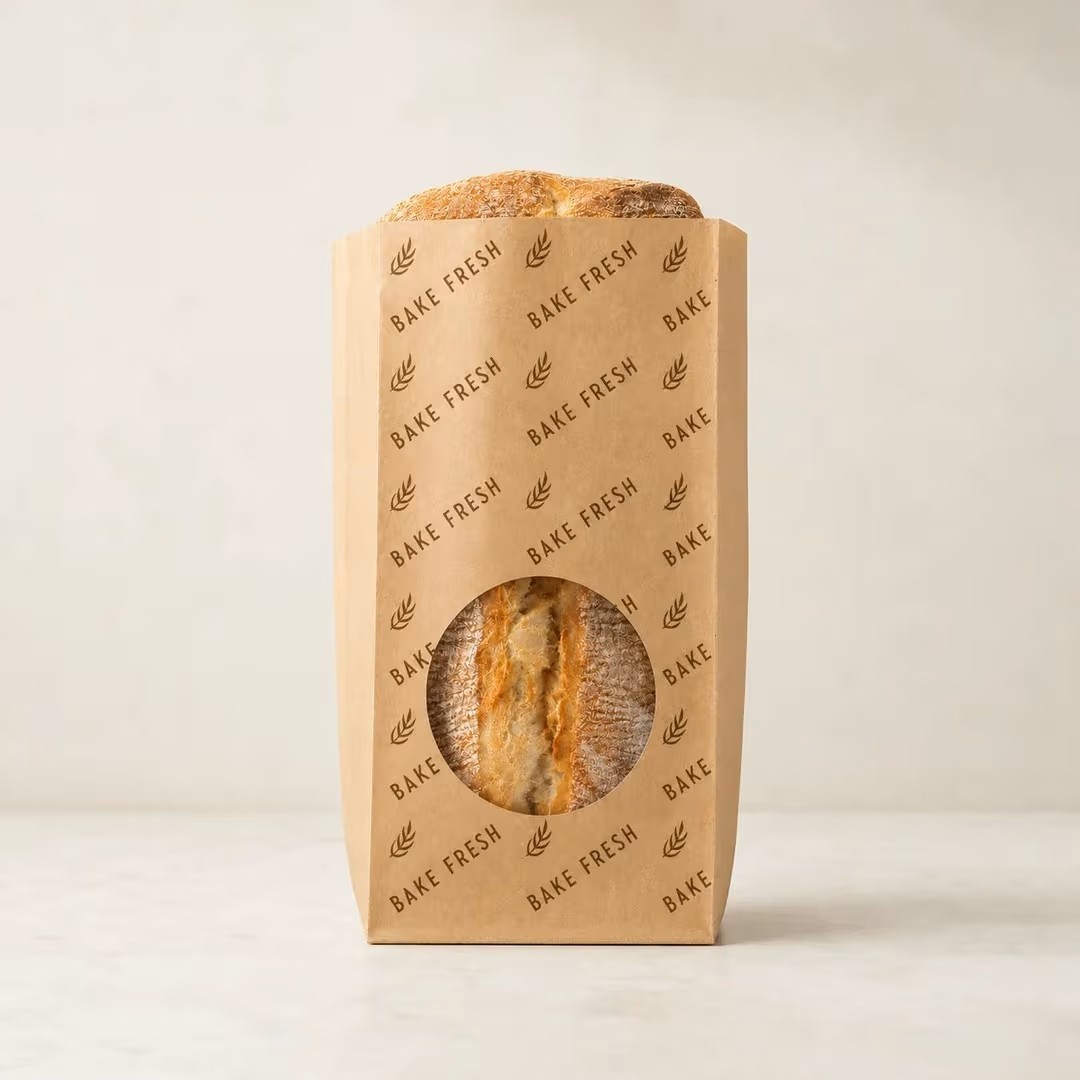
A simple kraft paper bag may communicate a traditional bakery style, while a clean, minimalist design can suit a contemporary artisan brand. Colorful graphics and clearly displayed logos can help products stand out in busy retail environments.
Printed bread bags also provide space for useful information, including the bakery's name, website, social media details, product description, and storage recommendations. Depending on local labeling requirements, businesses may also need to include ingredient, allergen, or other required product information.
Consistency matters as well. When the same logo, colors, and design elements appear across bags, labels, and other packaging, customers can recognize the bakery more easily. This can strengthen brand familiarity and create a more cohesive experience.
However, attractive packaging should not make promises that the product cannot support. Clear information, suitable materials, and practical functionality are just as important as appearance.
Choosing Materials for Different Types of Bread
Material selection plays a major role in how bread packaging performs. Different bread varieties have different requirements, so bakeries should consider crust texture, moisture levels, cooling time, and storage conditions before choosing a bag.
1. Paper Bread Bags
Paper bread bags are a popular option for bakeries selling baguettes, crusty loaves, rolls, and other baked goods. Suitable paper grades provide a convenient way to package products while offering space for printed branding.
Paper can allow more moisture exchange than many plastic films, depending on its construction. This can help certain crusty breads retain their desired texture, although the actual result depends on the bread, paper grade, humidity, and storage conditions.
2. Kraft Bread Bags
Kraft bread bags offer a natural appearance that suits traditional bakeries, artisan bread brands, and businesses seeking a simple, understated presentation. They can be customized with logos, brand colors, and product information.
Businesses should verify that the selected kraft paper is appropriate for direct food contact and that its strength is suitable for the weight and shape of the bread.
3. Windowed Bread Bags
Windowed bags allow customers to see the product without opening the package. This can be useful for artisan loaves, rolls, and specialty bread displayed on retail shelves.
The window material and bag construction should be appropriate for the intended food-contact application. Businesses should also consider whether the window affects moisture management, recyclability, or local waste-disposal options.
4. Plastic or Lined Bags
Some breads, particularly soft sandwich loaves, may benefit from packaging designed to retain moisture and slow drying. Plastic films or appropriately designed lined bags can be suitable for these products.
However, sealing warm bread can trap condensation, potentially affecting texture and encouraging mold growth. Bread should be cooled appropriately before packaging, and businesses should follow suitable food-safety and storage practices.
Custom Bread Bags for Branding and Retail Presentation
Branding can turn everyday bread packaging into a useful marketing touchpoint. Instead of using plain bags, bakeries can create custom bread bags featuring a recognizable logo, coordinated colors, typography, and product-specific designs.
Effective packaging design starts with the intended customer and sales environment. An artisan bakery may prefer natural colors and understated graphics, while a supermarket bread brand may need stronger visual contrast to distinguish different product varieties.
Important design elements include:
Logo placement: Make the bakery's identity easy to recognize.
Brand colors: Use a consistent palette across packaging and other marketing materials.
Product information: Clearly identify the bread variety and relevant details.
Typography: Choose readable fonts that work at the bag's actual size.
Window placement: Display the bread when visibility supports the product's presentation.
Practical dimensions: Ensure the design works with the bag's folds, seals, and closures.
Custom printing can also help distinguish whole-wheat bread, sourdough, multigrain loaves, and specialty products. Different designs may be used for product categories while maintaining a consistent overall brand identity.
Before ordering in bulk, businesses should request a sample or printed proof to review color accuracy, logo placement, legibility, and material performance.
Balancing Freshness, Ventilation, and Product Protection
One of the most important considerations when choosing bread packaging is maintaining the desired product texture. Bread continues to release moisture after baking, and the way that moisture moves through the packaging can influence crust crispness, softness, and storage quality.
Crusty bread often benefits from packaging that permits some moisture exchange. If it is sealed in a moisture-retaining bag too soon, condensation may soften the crust. In contrast, soft sandwich bread may require packaging that limits moisture loss to help preserve its texture.
Ventilation should therefore be selected according to the bread variety rather than applied to every bag. Ventilation openings may help certain products release moisture, but excessive airflow can cause other breads to dry out more quickly.
Protection also matters during transportation and display. The bag should have sufficient strength to handle the product without tearing easily, and its dimensions should accommodate the loaf without excessive compression.
For wholesale operations, businesses should consider how bread will be stacked, transported, and stored. Packaging must work throughout the distribution process, not simply look attractive at the point of sale.
Sustainable Materials and Packaging Considerations
Many bakeries are evaluating packaging materials with environmental considerations in mind. Paper-based packaging may be appropriate for some bread products, but sustainability depends on the material's composition, sourcing, coatings, inks, and local disposal infrastructure.
Uncoated paper bags may be easier to recycle in certain waste-management systems than bags containing plastic windows or barrier coatings. However, recycling acceptance varies by location, and food contamination can affect disposal options.
Businesses can evaluate the following factors when selecting packaging:
- Paper sourcing and available certifications
- Recycled content, where suitable for the intended application
- Whether coatings or laminations are necessary
Recyclability within the local waste system
Opportunities to reduce unnecessary packaging
Bag dimensions that minimize material waste
- Whether coatings or laminations are necessary
It is important not to assume that every paper bag is recyclable, compostable, or biodegradable under all conditions. Businesses should confirm environmental claims with their packaging suppliers and check local requirements before including sustainability statements on printed bags.
Choosing the right material involves balancing environmental goals with food-contact suitability, product protection, and practical performance.
Custom Bread Bags for Bakeries and Wholesale Businesses
Packaging requirements vary according to the size and operating model of a bakery. Independent bakeries may prioritize smaller order quantities, distinctive designs, and flexibility across multiple bread varieties. Larger bakeries and wholesale suppliers may focus on consistency, production capacity, unit cost, and dependable delivery schedules.
When comparing custom bakery bags, businesses should consider more than the initial quotation. Important factors include minimum order quantity, printing options, material specifications, production lead time, quality-control procedures, and the supplier's ability to maintain consistent specifications across repeat orders.
Wholesale buyers should also consider storage space and demand forecasts. Ordering large quantities can sometimes reduce the unit price, but excessive inventory may tie up working capital and create storage challenges if packaging designs change.
Before committing to a large order, request samples and confirm the specifications in writing. Check bag dimensions, paper strength, print quality, closure options, and suitability for the intended bread products.
A reliable packaging supplier should be able to explain the available options and help businesses identify a practical solution based on their requirements. For growing bakeries, a well-managed supplier relationship can make packaging procurement more predictable.
Common Mistakes to Avoid When Choosing Bakery Packaging
Even attractive packaging can create problems when its practical requirements are overlooked. Avoiding a few common mistakes can help bakeries make better purchasing decisions.
Choosing the wrong material: A bag that works well for crusty baguettes may not provide the moisture retention needed for soft sandwich bread. Match the material to the product.
Ignoring bag dimensions: Packaging that is too small can compress the bread, while oversized bags may look untidy and use more material than necessary.
Packaging bread while it is still warm: Trapped steam can create condensation and negatively affect texture. Allow bread to cool appropriately before packaging.
Prioritizing design over function: Printed graphics cannot compensate for weak paper, unsuitable closures, or poor product protection.
Overlooking food-contact suitability: Confirm that the paper, inks, coatings, and any window materials are appropriate for their intended application.
Ordering large quantities without testing: Samples help identify issues with dimensions, print quality, material performance, and usability before a major investment.
Making unsupported sustainability claims: Check certifications, material specifications, and local disposal guidance before describing packaging as recyclable or compostable.
By considering these factors early, businesses can avoid unnecessary costs and select packaging that supports both their products and their brand.
Frequently Asked Questions About Custom Bread Bags
1. What are custom bread bags?
Custom bread bags are packaging bags designed around a bakery's product dimensions, material requirements, and branding preferences. They may feature printed logos, custom sizes, windows, or other functional elements.
2. What is the best material for bread bags?
The best material depends on the bread. Paper bags often suit crusty loaves and baguettes, while appropriately designed plastic or lined bags may work better for soft sandwich bread that needs greater moisture retention.
3. Can custom bread bags be printed with a bakery logo?
Yes. Depending on the supplier and material, bags can feature logos, brand colors, patterns, product names, and other information to support brand recognition.
4. Are paper bread bags environmentally friendly?
Paper bags can be a suitable option for some environmental goals, but their impact depends on sourcing, coatings, printing, manufacturing, and disposal. Check local recycling requirements and supplier documentation.
5. Do bread bags need ventilation holes?
Not always. Ventilation requirements depend on the type of bread, its moisture content, and the desired texture. Some crusty breads benefit from moisture exchange, while soft breads may require packaging that reduces drying.
6. How can bakeries choose the right bag size?
Measure the bread's length, width, and height, then select a bag that accommodates the product without excessive compression or unnecessary space. Testing a sample is recommended before ordering in bulk.
7. Are custom bread bags suitable for wholesale bakeries?
Yes. Custom bread bags can support wholesale operations when their material, dimensions, printing, order quantity, and durability meet the requirements of production and distribution.
8. Where can businesses find custom bread bags?
Businesses can contact packaging suppliers such as HOF PACK to discuss their packaging requirements, customization options, and suitable packaging products for their operations.
Conclusion
Custom bread bags play an important role in product presentation, handling, brand recognition, and the customer experience. From kraft paper bags and windowed packaging to moisture-retaining options for soft bread, the right choice depends on the product's texture, storage needs, sales environment, and branding objectives.
Bakeries should evaluate material suitability, bag dimensions, printing quality, ventilation, order quantities, and supplier reliability before placing a bulk order. By balancing practical performance with a thoughtful design, businesses can create packaging that complements their bread and supports a consistent brand identity.
HOF PACK offers a range of customized packaging solutions, including custom boxes, mailer boxes, rigid boxes, and retail packaging. Businesses can contact HOF PACK to explore available packaging options and discuss solutions that align with their product presentation and branding requirements.










Facebook Conversations