
Infrared Sauna Indoor UK: Easy Cleaning and Maintenance Tips
This guide sets out a complete routine for a domestic infrared cabin, from the ten minutes after every session to the annual service, and explains which tasks are worth doing and which are not.

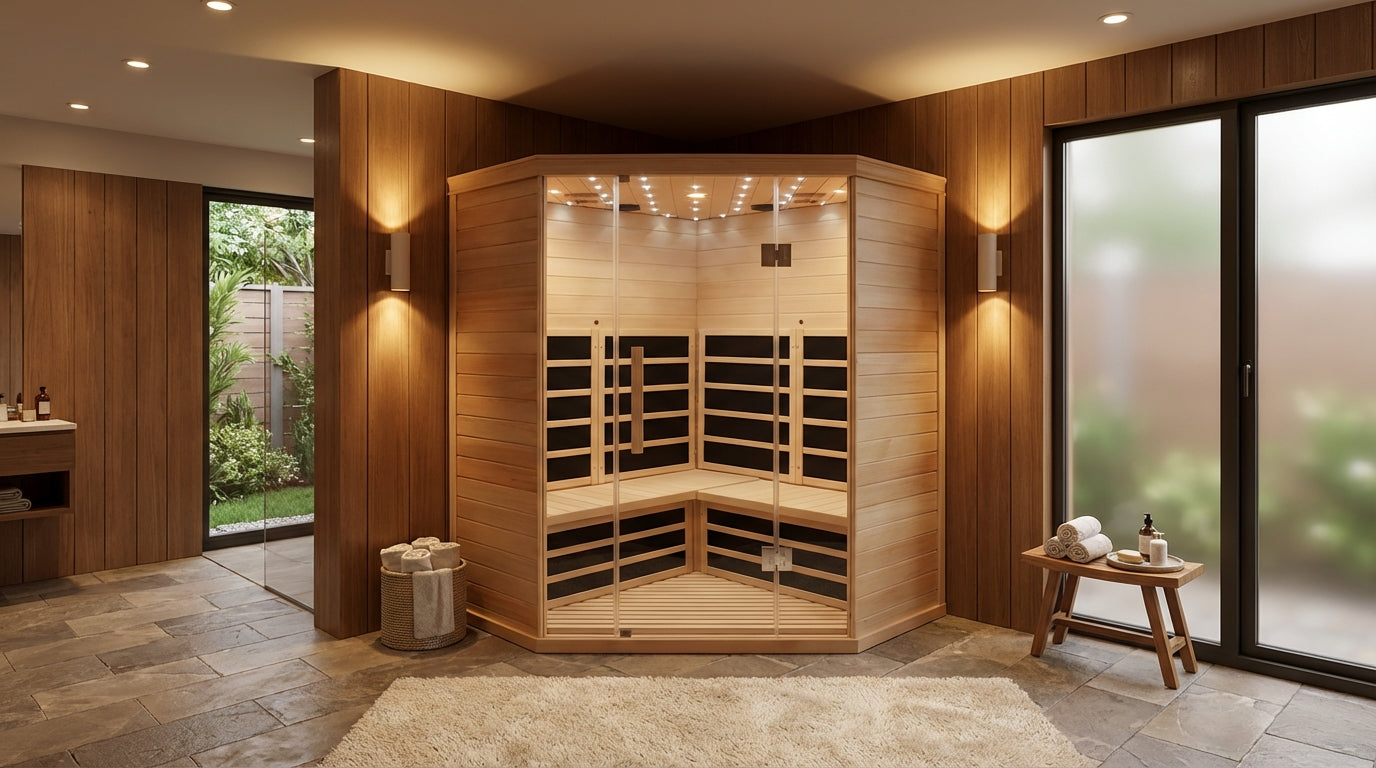
The reason people hesitate to buy a sauna is rarely the price; it is the fear of upkeep. There is an idea that a hot, wooden box indoors is a chore waiting to happen, and that idea survives because nobody explains how simple the routine really is. For an infrared cabin, cleaning takes five minutes and proper maintenance takes an afternoon, once a year.
The reason it is so simple is that there is no water involved. No pump, no pipe, no drain, no bucket to empty and no water marks on the walls, which means there is nothing to dry out and nothing to descale. What remains is a bench to wipe, a vent to keep clear and a timber interior to check occasionally, and that is genuinely the whole list.
This guide sets out a complete routine for a domestic infrared cabin, from the ten minutes after every session to the annual service, and explains which tasks are worth doing and which are not. Health Mate UK has been manufacturing infrared saunas since 1979 and has fitted cabins into bath rooms, bedrooms, garden rooms and lofts across the country.
The Cleaning Routine for an Infrared Sauna Indoor UK Cabin
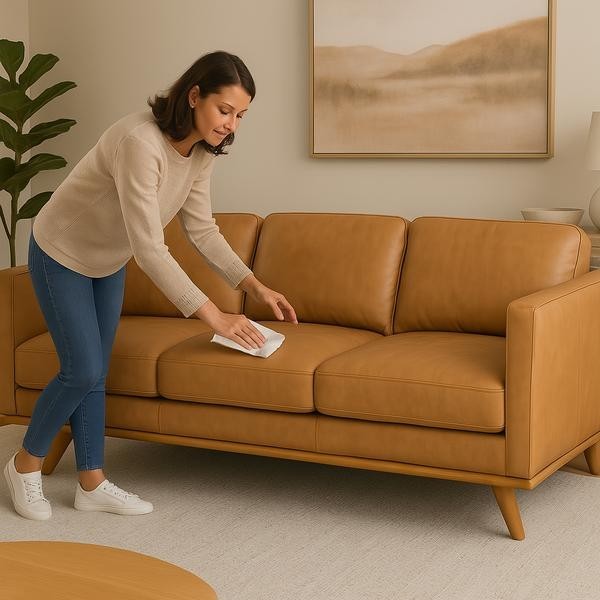
Start with the bench, because it is the only surface that collects anything. A dry cloth or a barely damp wipe after each session removes sweat and any residue from a drink, and it takes a couple of minutes while the cabin is still warm. Keeping the bench dry also protects the finish, because moisture sitting on sealed wood for hours invites marks that are awkward to remove later.
Let the interior air out. An Infrared Sauna Indoor UK cabin that is left closed while damp will smell of a wet room within a day, and the smell is the single most common complaint about cabins that are used regularly. Opening the door for ten minutes after a session, or leaving a vent slightly open, is enough to keep the interior fresh and dry.
Keep the vents and the heater grille clear. Dust and lint collect in the corners of a cabin where the air moves least, and a blocked vent reduces the airflow that keeps the session comfortable. A quick check with a soft brush every few weeks is enough, and it takes less than a minute.
Treat the floor with the same care you would give a worktop.A wipeable floor that can be lifted or cleaned underneath keeps moisture awayfrom the base of the structure and away from the room around it. An InfraredSauna Indoor UK cabin in a bathroom or a gym needs this attention moreoften than one in a bedroom, and the difference is the only real differencebetween them.
Deeper Cleaning and Seasonal Care
A Monthly Refresh
Once a month it is worth spending twenty minutes on thecabin properly. Take everything out, wipe the lining panels with a damp clothand a little mild cleaner, check the heater grille, and look at the cornerswhere condensation collects. Removing the bench sections also lets you reachthe floor, which is where the greatest amount of hidden moisture gathers.
Inspect the seal around the door at the same time. A doorthat closes properly keeps the heat in and the dust out, and a strip that hasbeen compressed or torn is cheap to replace. Owners who check it twice a yearrarely discover a problem, whereas owners who never check it tend to replacethe whole cabin instead of a length of sealing.
The Annual Service
Once a year, give the heater and the electrical connections proper attention. Vacuum the emitter panels carefully with a soft brush, confirm that the connections are tight and in good order, and have the supply checked by a competent electrician if the cabin has been running without attention. This is the single most useful half hour of maintenance a cabin will ever need.
Living With an Indoor Infrared Sauna UK Cabin
Cabins used regularly need less attention than people expect, because a used cabin dries out completely between sessions. An Indoor Infrared Sauna UK cabin that is switched on most evenings stays warm andventilated, and moisture never has time to accumulate. The cabins that developproblems are usually the ones that are used occasionally and then left closedfor weeks.
Keep cleaning products away from the timber. Mild soap andwater is enough for sealed surfaces, and stronger solvents can dull a finish orleave a residue that becomes unpleasant at heat. A bottle of plain water and asoft cloth cover almost everything, and for an Indoor Infrared Sauna UKcabin in a shared space a spare cloth kept in the room is a simple precaution.
Preventing Problems Rather Than Fixing Them
Moisture and Ventilation
Almost every avoidable fault with a domestic cabin begins asdamp. Ventilation that is adequate for a fortnightly cabin is not adequate forone used every evening, so a slightly stronger extract fan is often the answerwhere a bigger cabin is not. Air that moves through the room keeps the timber,the floor and the walls of the space in good condition.
Watch for condensation on the ceiling and walls after thefirst few sessions. Heavy run-off on the lining means the cabin is warm, theroom is cool and the ventilation is doing too little, and the cure is airrather than effort. Raising the extraction rate usually removes it within aweek.
Protecting the Finish
The interior finish is what makes a cabin look good foryears, and it is protected far more by habits than by products. Wipe ratherthan scrub, dry rather than leave wet, and keep the door closed only when theinterior is completely dry. A cabin cared for in that way keeps its colour andits sealed surface without any specialist treatment, and the shine stays foryears rather than months.
Cost, Care and Sensible Expectations
What Upkeep Really Costs
The cost of maintaining a cabin is a few pounds of cleaningproducts a year and an afternoon of attention every twelve months. There are noservice contracts to buy, no consumables to replace on a schedule and no fuelto pay for. The purchase remains the only significant expense, and the runningcost is a minor line on the monthly bill.
Time is the only real currency involved, and it is small. Ahousehold using a cabin most evenings spends five minutes a day and an hour ayear, which is less attention than a wooden worktop or a shower screenreceives. Owners who budget an hour for the annual service find that theremaining ten years require almost nothing at all.
Health and Sensible Use
A clean cabin is also a safer one, and good ventilationmakes a session more comfortable for everyone who uses it. Speak to a doctorbefore regular use if you are pregnant, taking medication or managing a healthcondition, and keep sessions moderate while you build up to longer ones.
Where to Buy Infrared Sauna UK With Low Upkeep
Ask about maintenance directly, because the answer tells youhow a cabin was designed. A supplier who explains the cleaning routine, theservice intervals and the availability of spare parts has built a product fordomestic use rather than for a showroom, and that is exactly what you want tohear.
Ask which parts are consumable and which are not. Heaterelements and controls occasionally need replacing, while panels, benches andframes should last indefinitely with sensible care. When you Buy Infrared Sauna UK, knowingthe answer protects you from an unpleasant surprise in year eight rather thanyear one.
Frequently Asked Questions
How often should I clean an infrared sauna?
Wipe the bench after each session and leave the door openbriefly so the interior dries, which takes a few minutes. A proper clean of thelining, floor and vents once a month is enough for a cabin used regularly, andonce a year the heater and connections deserve an inspection.
Does an infrared sauna need a floor drain?
No, because there is no water involved in a session. Thefloor only needs to be wipeable and well ventilated, and the room around thecabin benefits from a good extract fan rather than from drainage.
What should I use to clean the wood?
A soft cloth with a little mild soap and water is enough,and most sealed surfaces need nothing more than a damp wipe. Avoid strongsolvents, bleach and abrasive pads, which can dull a finish and leave a residuethat is unpleasant once the cabin is hot again.
How do I stop the cabin smelling of damp?
Ventilation is the answer rather than cleaning. Open thedoor for ten minutes after a session, keep the vents clear and increase theextraction rate in the room if condensation collects on the ceiling. A cabinused regularly with good airflow stays fresh without any scented products.
Do the heater elements need replacing?
Quality infrared elements are built for many years of use,and the warranty on them is worth checking when you buy. Keep the cabin dry andthe vents clear, and the emitters will normally last as long as the rest of thecabin without any intervention.
Is maintenance different in a shared or commercialsetting?
Yes, and the principles are the same but the frequency ishigher. A cabin used by several people a day needs the bench wiped betweenusers, more frequent checks on ventilation and a scheduled professionalservice, and a clear written routine for whoever is responsible.
Conclusion
The fear of upkeep is the most common reason a sauna staysunpurchased, and it is based on a picture of wet saunas rather than dry ones.An infrared cabin has no water to drain, no pump to service and nothing todescale, so the maintenance routine is a bench wipe, a vent check and oneattentive hour a year. That simplicity is worth thinking about properly beforethe purchase rather than afterwards. A cabin with sealed surfaces, accessiblevents and replaceable parts, installed in a room with reasonable ventilation,is close to maintenance free for a decade, and almost all of the faults thatowners report are the result of damp rather than of wear.
Health Mate UK has been manufacturing infrared saunassince 1979 and has fitted domestic cabins that are still in daily use, so theguidance here reflects long-lived equipment rather than showroom samples. Theowner who wipes the bench and opens the door after every session is the ownerwhose cabin still looks excellent a decade later. Buy a build with sealedsurfaces and replaceable parts, keep the vents clear and open the door aftereach use. Those three habits turn upkeep into a two-minute routine, and thecabin keeps looking new for as long as you own it.












Facebook Conversations