
How Bakeries Can Maintain Bread Freshness From Oven to Customer
Fresh bread is one of the main reasons customers visit bakeries. Its aroma, soft texture, and golden crust create an enjoyable experience.

Fresh bread is one of the main reasons customers visit bakeries. Its aroma, soft texture, and golden crust create an enjoyable experience. However, keeping bread fresh after it leaves the oven can be challenging. Exposure to air, moisture, heat, and poor packaging can affect its texture and quality before it reaches the customer.
Bakeries need simple and reliable methods to protect bread throughout preparation, storage, and delivery. Proper cooling, suitable packaging, and careful handling can help maintain freshness while reducing product waste. Choosing the right custom bread bags is also an important step in keeping bakery products protected and presentable.
1. Allow Bread to Cool Before Packaging
Freshly baked bread releases steam as it cools. Placing hot bread directly into a closed bag can trap moisture and make the crust soft or damp.
Bakeries should allow loaves and rolls to cool properly on clean cooling racks before packaging. Good airflow helps release excess heat and moisture while allowing bread to reach a suitable packing temperature.
This simple step helps protect the bread's texture and reduces moisture buildup inside packaging.
2. Choose the Right Bread Bags
Different bread products need different types of packaging. A crusty loaf may require packaging that allows some airflow, while soft sandwich bread needs protection from excessive drying.
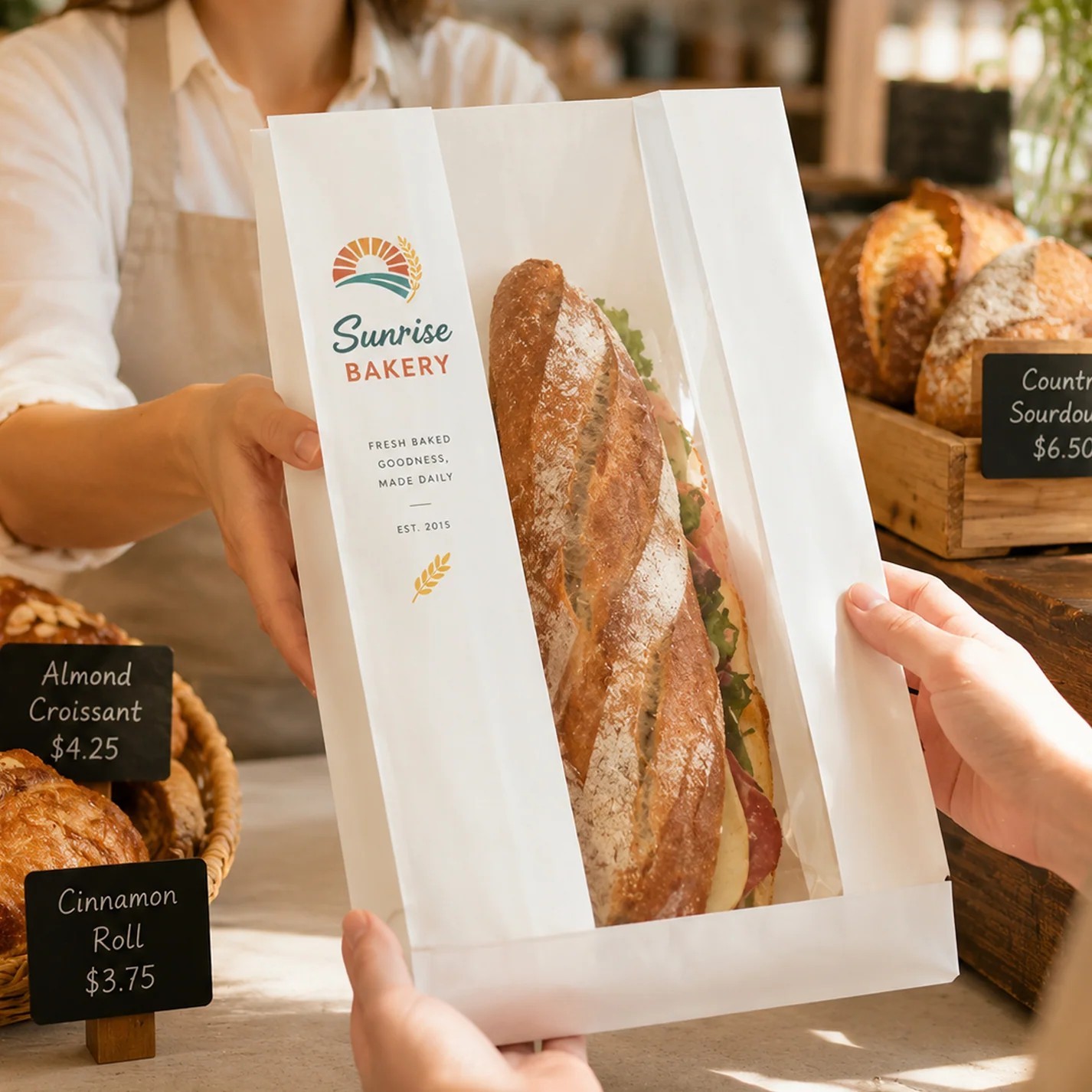
Paper bread bags are a practical option for many bakery products. They provide a clean way to carry bread and can help maintain a suitable balance between protection and airflow.
Bakeries should select bag sizes that fit their products properly. Bags that are too large may look untidy, while very tight packaging can damage the bread's shape.
3. Protect Bread From Excess Moisture
Moisture is one of the main factors that affect bread freshness. Too much moisture can make crusts soft and may encourage mold growth if products are stored incorrectly.
Keep bread in clean, dry storage areas and avoid placing packaged products near wet surfaces. Bakery employees should also make sure that cooling racks, storage containers, and packaging areas remain clean.
For products that need longer storage, bakeries should follow suitable freezing or preservation methods rather than relying only on packaging.
4. Use Food-Safe Paper for Wrapping and Serving
Paper materials can help bakeries handle and serve different bread products more neatly. The right paper should match the product, temperature, and intended food-contact application.
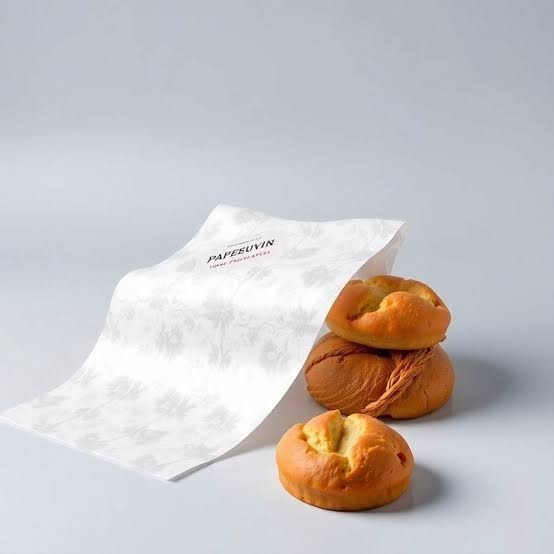
Custom wax paper for restaurants can be useful for wrapping or serving suitable bakery and food items, including sandwiches, rolls, and bread-based meals. It can help manage surface grease and provide a clean layer during serving.
Wax Papers Co offers custom paper options that businesses can use to create a consistent branded appearance. Always check the paper's food-contact suitability and temperature limitations before using it with a particular product.
5. Store Bread Under Suitable Conditions
Proper storage helps slow down changes in bread quality. Bread should be kept in a clean, dry location away from direct sunlight, heat sources, and excessive humidity.
Different bread types may require different storage methods. Soft bread can benefit from packaging that limits moisture loss, while crusty bread generally needs conditions that help preserve its outer texture.
Bakeries should also avoid storing bread near strong-smelling ingredients because bread can absorb unwanted odors.
6. Maintain Clean Handling Practices
Clean handling is important from the moment bread leaves the oven until it reaches the customer. Employees should use clean utensils, packaging materials, and work surfaces.
Avoid touching ready-to-eat bread unnecessarily. Use suitable gloves or food-handling tools according to the bakery's hygiene procedures.
Packaging should also be stored in a protected area to prevent dust, moisture, and other contaminants from reaching food-contact surfaces.
7. Package Bread According to Its Purpose
Bread sold for immediate consumption may need different packaging from products intended for takeaway or home storage.
For example, sandwich rolls can be wrapped individually, while larger loaves may be placed in appropriately sized paper bags. Bread sold with meals can also be served using suitable food paper or liners.
Choosing packaging based on the product's purpose helps maintain presentation and makes handling easier for customers.
8. Improve Delivery and Transportation Methods
Transportation can affect bread quality, especially when products are moved in large quantities. Poorly arranged boxes, excessive stacking, and rough handling can damage loaves and rolls.
Bakeries should use clean delivery containers and arrange products carefully. Avoid placing heavy items on top of soft bread or squeezing bags into small spaces.
For longer journeys, consider suitable protective packaging and storage conditions. Delivery staff should also follow clear handling instructions to prevent unnecessary damage.
9. Use Clear Labels and Freshness Dates
Labels help bakery employees and customers understand when bread was prepared and how it should be stored.
Include useful information such as product names, production dates, and storage instructions where appropriate. This helps staff organize inventory and use older products first.
A simple stock rotation system can reduce waste and prevent products from remaining on shelves longer than intended.
10. Monitor Customer Feedback and Product Quality
Customer feedback can help bakeries identify problems with bread freshness, packaging, or delivery. Comments about dry bread, soft crusts, damaged loaves, or poor packaging can highlight areas that need attention.
Employees should also inspect products throughout the day. Check texture, appearance, packaging condition, and storage practices regularly.
Small adjustments to cooling, packing, and delivery routines can improve product quality over time.
Conclusion
Maintaining bread freshness from oven to customer requires proper cooling, suitable storage, clean handling, and reliable packaging. Bakeries should choose packaging based on the type of bread and how it will be served or transported. Well-selected paper bags and food-safe wrapping materials can support product protection while improving presentation. By following consistent procedures and checking product quality regularly, bakeries can deliver fresher bread, reduce waste, and create a better experience for their customers.












Facebook Conversations