
How Delis Can Keep Sandwiches Fresh and Presentable During Takeaway Service
Delis need practical ways to protect sandwiches during preparation, packaging, and transportation. Proper ingredient storage, careful assembly, and suitable food packaging can help maintain quality.

Sandwiches are a popular choice for takeaway because they are quick, convenient, and easy to enjoy on the go. However, keeping them fresh and presentable until they reach customers can be challenging. Moisture from vegetables, sauces, and fillings can make bread soggy, while poor wrapping can cause ingredients to shift or spill.
Delis need practical ways to protect sandwiches during preparation, packaging, and transportation. Proper ingredient storage, careful assembly, and suitable food packaging can help maintain quality. Small improvements in these areas can also make takeaway orders look more professional and improve customer satisfaction.
1. Use Fresh Ingredients for Every Sandwich
Fresh ingredients are the foundation of a good sandwich. Bread, vegetables, cheese, meat, and sauces should be stored under suitable conditions before preparation.
Delis should inspect ingredients regularly and remove products that no longer meet quality standards. Vegetables should be washed and stored properly, while temperature-sensitive fillings must remain refrigerated until needed.
Using fresh ingredients helps maintain flavor, texture, and appearance throughout the takeaway process.
2. Keep Wet Ingredients Separate When Possible
Excess moisture can make sandwich bread soggy, especially when sandwiches are prepared long before serving. Ingredients such as tomatoes, pickles, and sauces can release moisture over time.
Delis can reduce this problem by draining wet ingredients properly before assembly. Sauces can also be applied in controlled amounts or packed separately when appropriate.
For takeaway orders that require longer travel times, preparing certain ingredients closer to serving time can help preserve bread texture.
3. Choose the Right Wrapping Material
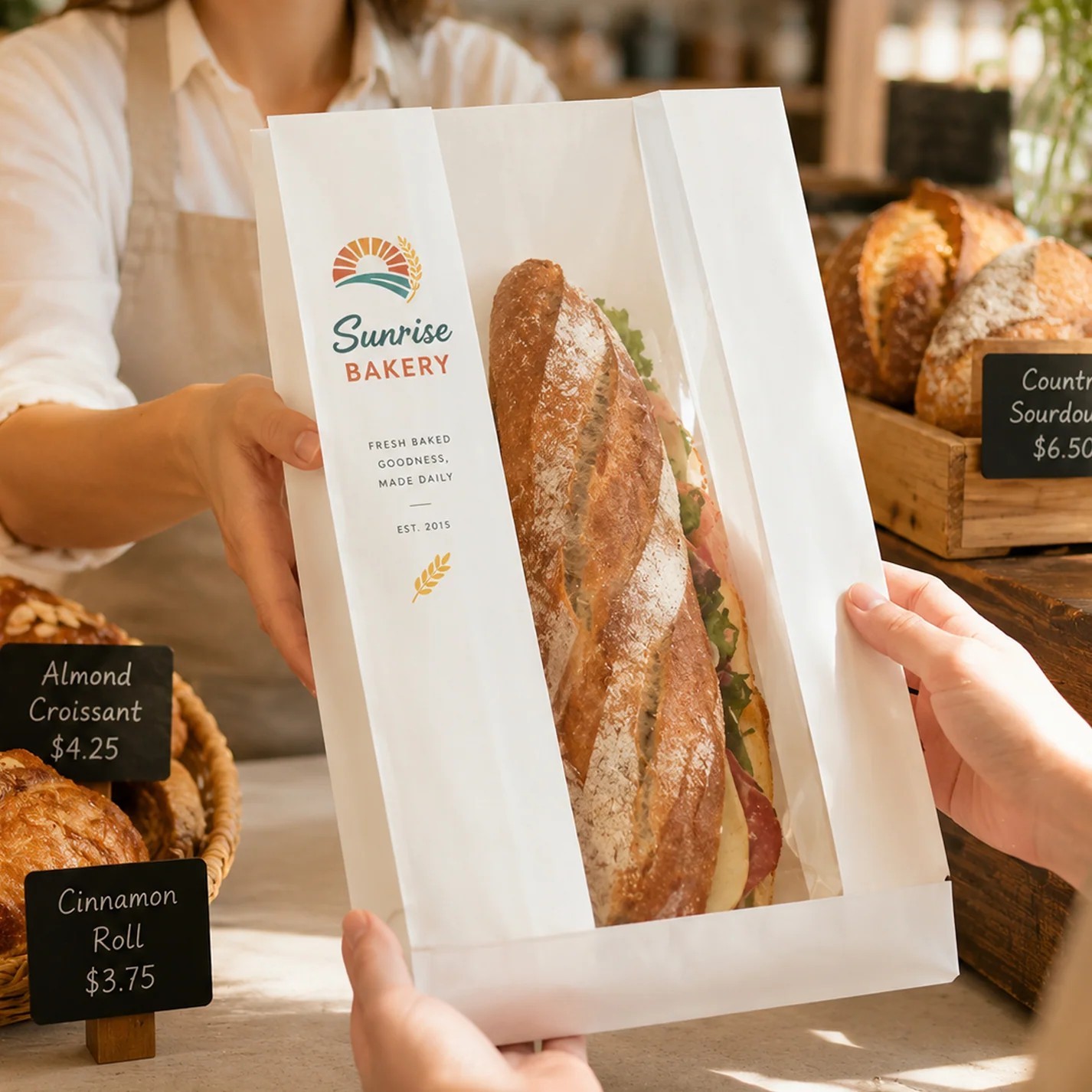
Proper wrapping helps hold sandwich ingredients together and makes takeaway orders easier to handle. The material should suit the sandwich size, filling, and serving conditions.
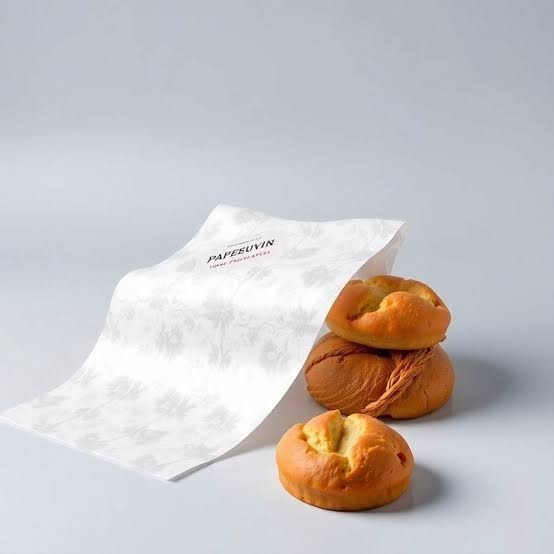
Using custom printed deli paper can give sandwiches a neat appearance while helping manage everyday food handling. Delis can include a logo or repeating brand design to create consistent packaging across their takeaway orders.
The paper should have suitable grease resistance and be approved for its intended food-contact application.
4. Select a Reliable Food Packaging Supplier
Packaging quality can affect how sandwiches look and feel when customers receive them. Delis should choose materials that meet their food safety requirements and match their menu items.
A reliable food grade wax paper supplier should provide clear information about paper materials, coatings, food-contact suitability, and printing inks. This helps businesses select suitable wrapping options for different foods.
Before placing large orders, test packaging with common menu items to check how it performs with grease, moisture, and normal serving conditions.
5. Wrap Sandwiches Securely
Loose wrapping can allow sandwiches to move during transportation. This may cause fillings to fall out and make the order difficult to eat.
Employees should follow a consistent wrapping method. Fold the paper firmly around the sandwich and secure it without crushing the bread or fillings.
For larger sandwiches, use suitable packaging that provides enough space and support. Clear wrapping instructions can help staff prepare orders consistently.
6. Maintain Proper Food Temperatures
Temperature control is important for sandwiches containing meat, cheese, eggs, dairy products, and other perishable ingredients.
Keep refrigerated ingredients at safe temperatures and avoid leaving prepared sandwiches at room temperature for extended periods. Use suitable insulated containers when orders require temperature-controlled transportation.
Delis should follow local food safety guidelines for storage, preparation, and takeaway service.
7. Prevent Sandwiches From Getting Crushed
Sandwiches can lose their shape when placed under heavy items or packed into containers that are too small. This is especially important for products with soft bread, tall fillings, or delicate ingredients.
Choose packaging that fits the sandwich properly and provides enough support. Arrange takeaway orders carefully and avoid stacking heavy products on top of delicate sandwiches.
A stable package helps protect the food's appearance until it reaches the customer.
8. Keep the Packaging Area Clean and Organized
A clean packaging station helps employees prepare orders efficiently and maintain good hygiene standards.
Keep wrapping paper, containers, labels, and other supplies in designated areas. Clean preparation surfaces regularly and use fresh packaging materials for every order.
An organized workstation also reduces delays during busy periods and helps staff avoid unnecessary handling.
9. Create Consistent Branded Packaging
Packaging can help customers recognize a deli and remember their experience. Consistent logo placement, colors, and printed patterns create a familiar appearance across different menu items.
Delis can use branded paper for sandwiches, burgers, wraps, and other suitable takeaway foods. The design should be simple, clear, and appropriate for the business.
Custom packaging adds a professional touch while helping maintain a consistent brand identity.
10. Review Customer Feedback
Customer feedback can reveal packaging and freshness problems that may not be obvious during preparation. Comments about soggy bread, loose wrapping, damaged sandwiches, or leaking sauces can help identify areas for improvement.
Delis should review common complaints and test practical solutions. Small changes in ingredient preparation, wrapping techniques, and container selection can make takeaway service more reliable.
Conclusion
Keeping sandwiches fresh and presentable during takeaway service requires careful ingredient storage, proper temperature control, secure wrapping, and suitable packaging materials. Delis should select food-safe paper and containers that match their menu while training employees to follow consistent preparation methods. By paying attention to moisture, handling, and packaging quality, businesses can serve sandwiches that look appealing, travel safely, and provide customers with a better takeaway experience.












Facebook Conversations