
Why Do We Distrust Cheap Cookware? Separating Price From Quality
Discover why cheap cookware is not always poor quality. Learn how materials, durability, construction, and Pre-Seasoned Cast Iron Cookware influence performance, value, and long-term cooking results.

When shopping for kitchen essentials, cookware is one of the purchases that deserves careful consideration. Many consumers automatically associate a low price with poor quality, especially when comparing frying pans, skillets, Dutch ovens, and complete cookware sets. This perception is understandable because cookware is exposed to high temperatures, repeated use, food ingredients, and regular cleaning. However, does an expensive price tag always mean better performance? Not necessarily. Understanding the relationship between price, materials, construction, and durability can help consumers make more informed purchasing decisions.
The growing interest in Pre-Seasoned Cast Iron Cookware demonstrates why shoppers are becoming more interested in long-lasting kitchen equipment rather than simply choosing products based on their initial cost. Instead of judging cookware by price alone, consumers should examine what they are actually paying for and whether a product meets their everyday cooking requirements.
Why Consumers Often Associate Low Prices With Poor Quality
Price influences purchasing decisions because it creates expectations about product performance. When consumers see unusually inexpensive cookware, they may question the materials, manufacturing standards, and overall durability. These concerns often come from previous experiences with products that became damaged, lost their non-stick properties, or developed problems after only a few months of use.
Cookware must withstand demanding conditions. It experiences temperature changes, contact with metal utensils, frequent washing, and sometimes accidental impacts. Products made with unsuitable materials or poor construction may struggle under these conditions.
However, low prices do not automatically indicate poor manufacturing. Some affordable products are competitively priced because of simpler designs, efficient production, or fewer additional features. The important distinction is between affordable cookware that offers genuine value and inexpensive products that compromise essential quality standards.
What Actually Determines Cookware Quality
The quality of cookware depends on several factors that are often more important than its retail price. Understanding these characteristics makes it easier to compare products objectively.
Material quality is one of the most important considerations. Stainless steel, aluminium, carbon steel, and cast iron each offer different cooking characteristics. Cast iron, for example, is particularly valued for its ability to retain heat and distribute it steadily once properly heated.
Construction and thickness also influence performance. Cookware with suitable thickness can provide more consistent heating and greater resistance to everyday wear. Poorly constructed products may develop uneven heating patterns or become damaged through repeated temperature changes.
Another important factor is the quality of the cooking surface. The surface should be appropriate for the intended cooking method and easy to maintain according to the manufacturer's instructions.
Finally, handles, lids, finishing, and overall design contribute to usability. A well-made pan should feel stable, comfortable to handle, and suitable for the cooking tasks it is designed to perform.
Why Cast Iron Offers Long-Term Value
Cast iron has remained popular across generations because of its durability and practical cooking characteristics. Unlike some cookware that requires replacement after its surface becomes damaged, properly maintained cast iron can remain useful for many years.
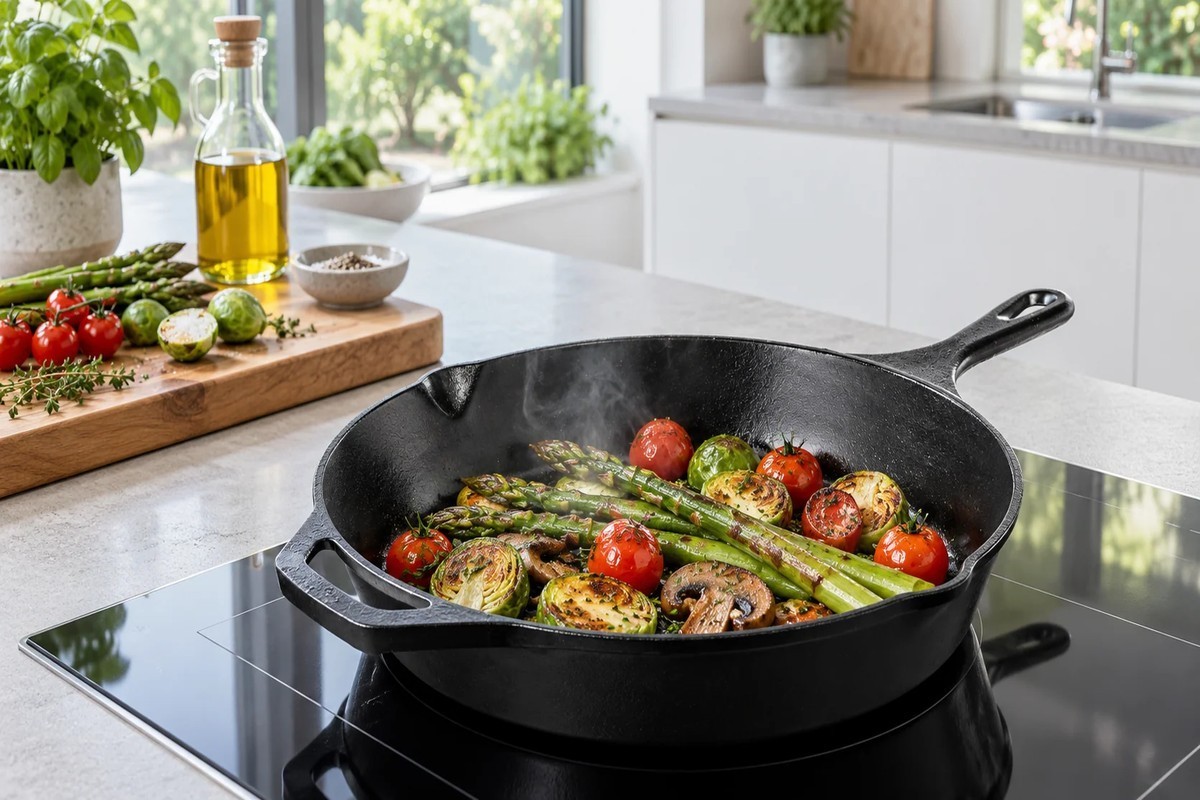
One major advantage is heat retention. Cast iron takes longer to heat than some lightweight materials, but it holds heat effectively once it reaches the desired temperature. This makes it particularly useful for searing meat, frying foods, roasting vegetables, and preparing dishes that benefit from consistent heat.
Pre-Seasoned Cast Iron Cookware offers another practical advantage for consumers. Seasoning involves creating a protective layer of polymerised oil on the cooking surface. This layer helps protect the iron from moisture and rust while gradually developing useful cooking properties through regular use.
Pre-seasoned products provide a convenient starting point because the initial seasoning has already been applied. However, users should still follow care instructions and understand that seasoning may require maintenance over time.
The long service life of cast iron can make it a worthwhile investment, particularly for households that regularly prepare meals at home.
Does Expensive Cookware Always Perform Better?
An expensive cookware product may offer premium materials, advanced construction, attractive finishing, or additional accessories. However, these features do not automatically guarantee better cooking results for every household.
Some premium products are priced higher because of branding, design, packaging, or manufacturing location. While these factors can influence the overall purchasing experience, they should not be confused with practical cooking performance.
For example, a well-constructed cast iron skillet may perform exceptionally well for everyday frying and searing without requiring the same investment as a premium multi-piece cookware collection.
Consumers should consider whether additional features genuinely improve their cooking experience. Paying more for something that will rarely be used may not provide meaningful value.
A sensible purchasing decision focuses on functionality, construction, durability, and suitability rather than assuming that the most expensive option is automatically the best.
How to Identify Affordable Cookware That Is Worth Buying
Finding good-quality cookware at a reasonable price requires looking beyond promotional offers and attractive product photography. A few practical checks can help shoppers identify products that offer genuine value.
Examine the material specifications. Check whether the manufacturer clearly identifies the material used in the cookware. For cast iron products, look for clear information about construction, seasoning, dimensions, and intended use.
Check the product weight. Cast iron is naturally heavier than many other cookware materials. Weight alone does not determine quality, but it can help consumers understand the product's construction and whether it will be comfortable to use.
Review the handles and overall construction. Handles should be securely attached and designed to support safe handling. Look for information about heat resistance and oven suitability rather than assuming every handle can tolerate high temperatures.
Read customer reviews carefully. Reviews can reveal practical information about heating performance, maintenance requirements, durability, and product usability. Pay attention to repeated patterns rather than relying on one extremely positive or negative opinion.
Compare warranties and manufacturer information. Clear product specifications, care instructions, and reasonable warranty terms can indicate that a manufacturer provides useful support after purchase.
These checks help consumers distinguish between affordable cookware that offers genuine value and products that may create additional costs through frequent replacement.
Why Pre-Seasoned Cookware Can Be a Practical Choice
For people who want durable cookware without unnecessary complexity, pre-seasoned cast iron can be an appealing option. It combines traditional cast iron construction with an initial seasoning layer, making it easier for beginners to start using the cookware.
A pre-seasoned skillet is suitable for several cooking activities, including frying eggs, preparing vegetables, searing meat, and making one-pan meals. Larger cookware options, such as Dutch ovens and combo cookers, provide additional flexibility for slow cooking, roasting, baking, and preparing family-sized meals.
A complete set can also provide better versatility for households that regularly prepare different types of food. However, consumers should consider storage space, weight, and actual cooking habits before purchasing multiple pieces.
The key advantage is versatility. Rather than purchasing separate pans for every cooking task, a carefully selected cast iron collection can cover many everyday kitchen requirements.
The Importance of Proper Cookware Maintenance
Even expensive cookware can deteriorate when it is used or maintained incorrectly. This is particularly important when discussing cast iron because its seasoning layer requires appropriate care.
After cooking, allow the cookware to cool slightly before cleaning. Use warm water and a suitable cleaning method recommended by the manufacturer. Avoid leaving cast iron submerged in water for extended periods because moisture can encourage rust.
Dry the cookware thoroughly after washing. Applying a thin layer of cooking oil when appropriate can help maintain its protective seasoning. Store it in a dry place with sufficient ventilation.
Regular maintenance helps preserve the cooking surface and supports long-term performance. These simple habits can make a significant difference in how long cookware remains useful.
Making Smarter Decisions When Buying Kitchen Essentials
The relationship between price and quality is more complicated than many consumers realise. Affordable cookware can provide excellent performance when it uses appropriate materials, reliable construction, and a practical design. Similarly, expensive cookware may not always justify its cost if its additional features do not match the buyer's requirements.
The best approach is to evaluate cookware according to its intended purpose, construction, maintenance requirements, and expected lifespan.
For consumers looking for durability and versatility, Pre-Seasoned Cast Iron Cookware offers a practical combination of traditional construction and everyday functionality. From skillets and frying pans to Dutch ovens and combo cookers, these products can support a wide range of cooking methods.
Ultimately, smart shopping is not about purchasing the cheapest or most expensive product. It is about finding cookware that performs reliably, meets your household's needs, and provides lasting value. When buyers understand what determines quality, they can make confident decisions without allowing a price tag to dictate their expectations.










Facebook Conversations