
Why Is Indian Cuisine a Popular Choice for Dining on Long Island?
Explore Indian restaurants on Long Island offering flavorful dishes, vegetarian options, regional specialties, and delicious catering choices for family meals and special events.

Long Island has always been a place where food traditions from around the world meet. Within that mix, Indian cooking has built a steady following among families, professionals, and groups of friends.
People visit Indian restaurants on Long Island for the bold flavors, but they return for reasons that go well beyond spice. A variety with unbeatable tastes and multiple flavors for everyone.
A Cuisine Built on Depth of Flavor
Indian cooking starts with layers. A single dish may use a dozen ingredients, each added at a specific stage to create a balanced flavor.
Whole spices are often toasted in oil before anything else enters the pan. Onions, tomatoes, ginger, and garlic follow, cooked slowly until they form a rich base. Ground spices come next, and finally herbs such as cilantro or fenugreek leaves add freshness at the end. This sequence gives each dish a complexity that is hard to find in simpler preparations.
Diners notice that difference. A well-made curry does not taste like one dominant spice. It tastes rounded, warm, and satisfying, which is why many people describe their first good Indian meal as a turning point in how they think about restaurant dining.
Variety That Suits Every Table
One reason Long Islanders visit Indian restaurants is the sheer variety of food. India's regional cooking differs widely. Northern kitchens lean toward tandoor-cooked meats, creamy gravies, and breads like naan and paratha. Southern cooking brings rice-based dishes, lentil stews, and coconut-forward curries. Coastal regions focus on seafood, while western states are known for tangy, slightly sweet preparations.
This breadth means a group with different tastes can still share one meal comfortably. One person may want a mild butter-based dish, another a fiery vindaloo, and a third something light built around vegetables and lentils. Few cuisines handle that spread so naturally.
Vegetarian and Plant-Based Options Come Standard
Vegetarian cooking is not an afterthought at Indian restaurants on Long Island. It is a central tradition, shaped by centuries of regional customs and religious practice.
Chickpeas, lentils, paneer, eggplant, spinach, cauliflower, and potatoes appear in countless recipes, and these dishes are designed to be filling rather than simply meat-free. For vegetarians, finding a menu with several satisfying choices can be a real relief. For those who eat meat, it offers an easy way to enjoy lighter meals during the week.
Many dishes can also be prepared dairy-free or easy to adjust, which helps guests with specific dietary needs. Gluten-conscious diners can often rely on rice, lentil, and vegetable-based plates. Clear communication with the kitchen goes a long way, and most Indian restaurants are used to those conversations.
Food That Encourages Sharing
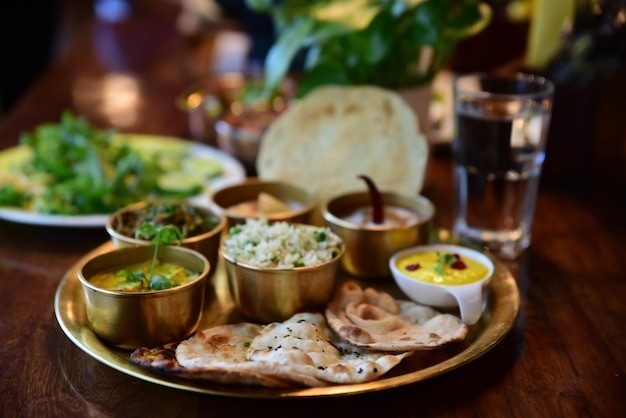
Many Indian meals are served family-style. Dishes arrive together, and everyone takes portions from the center of the table, pairing curries with rice and bread as they go.
This format changes the mood of a meal. Conversation slows down, people compare what they are tasting, and the table becomes more interactive. It works equally well for a quiet dinner among family and a larger get-together with friends, which explains why so many people choose this cuisine when they want the meal itself to be part of the occasion.
Ingredients With a Wellness Angle
Spices used in Indian cooking have long been valued in traditional food culture. Turmeric, cumin, coriander, cardamom, and fennel are everyday staples, not special additions. While a restaurant meal is not a health program, many diners appreciate that so much of the cuisine is built around whole ingredients such as legumes, vegetables, and fresh herbs.
Grilled and tandoor-cooked items add another option. Marinated in yogurt and spices, then cooked at high heat, they offer strong flavor without heavy sauces. Pairing these with a lentil dish and a side of vegetables makes for a balanced plate.
Why Indian Food Works for Gatherings and Events in Jericho
The same qualities that make Indian cuisine enjoyable at a restaurant table also make it practical for larger occasions. Dishes hold their flavor well, portions are easy to scale, and the range of options lets hosts please guests with very different preferences.
Anyone planning a birthday, anniversary, corporate lunch, or family celebration will find a thoughtful Indian catering menu for their event in Jericho, NY. It can cover starters, mains, breads, rice, and desserts without feeling repetitive. A good menu typically includes a mix of vegetarian and non-vegetarian items, a few mild options for children or sensitive palates, and something with heat for those who want it.
When reviewing a catering menu in Jericho, it helps to ask a few practical questions:
How many dishes are recommended for the size of the group?
Can the spice level be adjusted for different guests?
Are vegetarian, vegan, and allergen-friendly choices clearly marked?
How are dishes kept at the right temperature during service?
Answers to these make planning much smoother and help avoid last-minute changes.
Comfort and Celebration in One Cuisine
Indian food is both everyday comfort food and a centerpiece of celebrations. That range gives it emotional weight. A simple bowl of dal with rice feels like home, while a spread of biryani, kebabs, and sweets feels like a celebration.
Diners on Long Island respond to both sides of that. A weeknight meal and a special occasion can draw from the same culinary tradition, which keeps the cuisine relevant throughout the year instead of limiting it to one type of outing.
Tips for Ordering Your First or Next Indian Meal
For those still new to the cuisine, a few simple habits make the experience easier:
Start with a shared appetizer. Samosas, pakoras, or a mixed kebab platter are good introductions.
Balance your order. Combine one creamy dish, one lighter or tangy dish, a vegetable dish, and a lentil dish.
Choose the right bread and rice. Naan suits thick gravies, while basmati rice pairs well with lighter curries.
Ask about spice levels. Most kitchens can adjust heat without losing flavor.
Finish with something sweet. Kheer, gulab jamun, or a simple mango lassi rounds out the meal.
Repeat visitors often explore regional specialties next, such as Hyderabadi biryani, Goan-style curries, or Punjabi favorites, which keeps the experience fresh. Each visit to a local Indian restaurant can feel different once you start moving beyond the familiar choices on Long Island.
Final Thoughts
Indian cuisine has earned its place on Long Island's dining scene through flavor, variety, and a style of eating that brings people together. It offers real choices for vegetarians, a wide range for meat lovers, and dishes that work for both quiet dinners and large celebrations.
Whether you are planning a family meal, hosting a group, or simply looking for something more interesting than the usual weeknight options, this cuisine delivers consistently. Visiting an Indian restaurant on Long Island is an easy way to see why so many diners keep coming back to it.













Facebook Conversations