
How Mobile App Development Is Changing Everyday Life
Discover how innovative mobile app development is transforming everyday life through communication, education, entertainment, fitness, navigation, and user-friendly digital experiences.

Mobile applications have become animportant part of modern life. People use apps for communication,entertainment, education, shopping, navigation, fitness, travel, and many otherdaily activities. As smartphones continue to become more powerful, applicationsare also becoming more advanced and interactive. innovativemobile app development ishelping create digital experiences that make everyday tasks faster, easier, andmore convenient. From connecting people across different locations to providinginstant access to useful information, mobile applications have changed howpeople interact with technology.
TheRise of Mobile Applications
The popularity of smartphones hascreated a strong demand for applications that can perform different tasks froma single device. Instead of depending on desktop computers or traditionalservices, users can now access many digital tools directly through theirphones.
Applications have developed fromsimple programs with limited functions into sophisticated platforms capable ofsupporting complex activities. Users can communicate with friends, attendonline classes, watch videos, listen to music, manage finances, order food,book transportation, and explore new locations through mobile apps.
This development has madesmartphones more than communication devices. They have become everyday digitalcompanions that provide access to information and services whenever users needthem.
MobileApps and Communication
Communication is one of the areasmost strongly influenced by mobile applications. Messaging applications allowpeople to exchange text messages, photographs, videos, documents, and voicerecordings instantly.
Video calling has also made itpossible for people to communicate face-to-face even when they are located indifferent countries. Social applications provide additional ways for users toshare experiences, ideas, and updates with their communities.
These technologies have reduced manyof the limitations associated with distance. Whether someone is communicatingwith family members, classmates, colleagues, or friends, mobile applicationscan provide quick and convenient communication.
TransformingEducation
Mobile applications have alsocreated new opportunities for learning. Educational apps allow students toaccess lessons, tutorials, practice exercises, digital books, and educationalvideos from their smartphones.
Language-learning applications, forexample, can provide vocabulary exercises and interactive activities that userscan complete at their own pace. Other applications can support mathematics,science, programming, history, and professional skills.
Mobile learning is particularlyuseful because it allows people to study beyond traditional classrooms.Students can review lessons while traveling, practice skills during free time,or access educational resources from locations where traditional learningfacilities may not be available.
Entertainmenton Mobile Devices
Entertainment has become anothermajor part of the mobile application experience. Streaming applications allowusers to watch movies, television programs, and short videos from theirsmartphones. Music applications provide access to millions of songs, podcasts,and audio programs.
Mobile gaming has also grown significantly.Modern games can include advanced graphics, multiplayer features, real-timecommunication, and immersive experiences. Players can interact with others fromdifferent parts of the world without needing dedicated gaming systems.
The convenience of mobileentertainment means that users can access their preferred content almostanywhere with a suitable internet connection.
Healthand Fitness Applications
Mobile applications are increasinglybeing used to support healthier lifestyles. Fitness apps can track activitiessuch as walking, running, cycling, and exercise routines. Some applications canalso monitor sleep patterns, water consumption, calorie intake, and workoutprogress.
These tools can make it easier forpeople to understand their daily habits and maintain personal goals. Instead ofmanually recording every activity, users can rely on smartphones and connecteddevices to collect and organize information.
Health-related applications can alsoprovide educational resources, appointment management, reminders, andcommunication features. As mobile technology continues to develop, theseapplications may become even more useful for everyday wellness management.
Navigationand Travel
Finding places and planning journeyshas become significantly easier because of mobile applications. Navigation appscan provide directions, traffic information, estimated travel times, andlocation-based recommendations.
Travel applications can also helpusers discover hotels, restaurants, tourist attractions, transportationoptions, and local activities. Travelers can use their smartphones to organizedifferent parts of a journey without carrying multiple physical documents ormaps.
Location-based technology has madenavigation more interactive and convenient. Users can receive information basedon their current location and discover places that may otherwise be difficultto find.
MobileApps for Everyday Tasks
Many small daily activities havebecome easier through mobile applications. People can use apps to createshopping lists, set reminders, manage calendars, scan documents, transferfiles, calculate expenses, and organize personal information.
Financial applications can allowusers to monitor transactions and manage payments from their phones. Fooddelivery applications can connect users with restaurants, while transportationapplications can help people arrange rides or check public transportinformation.
These examples demonstrate howapplications can simplify ordinary tasks by bringing multiple functions intoone accessible device.
TheImportance of User-Friendly Design
As the number of mobile applicationscontinues to grow, usability has become increasingly important. An applicationmay contain advanced technology, but users may stop using it if the interfaceis confusing or difficult to navigate.
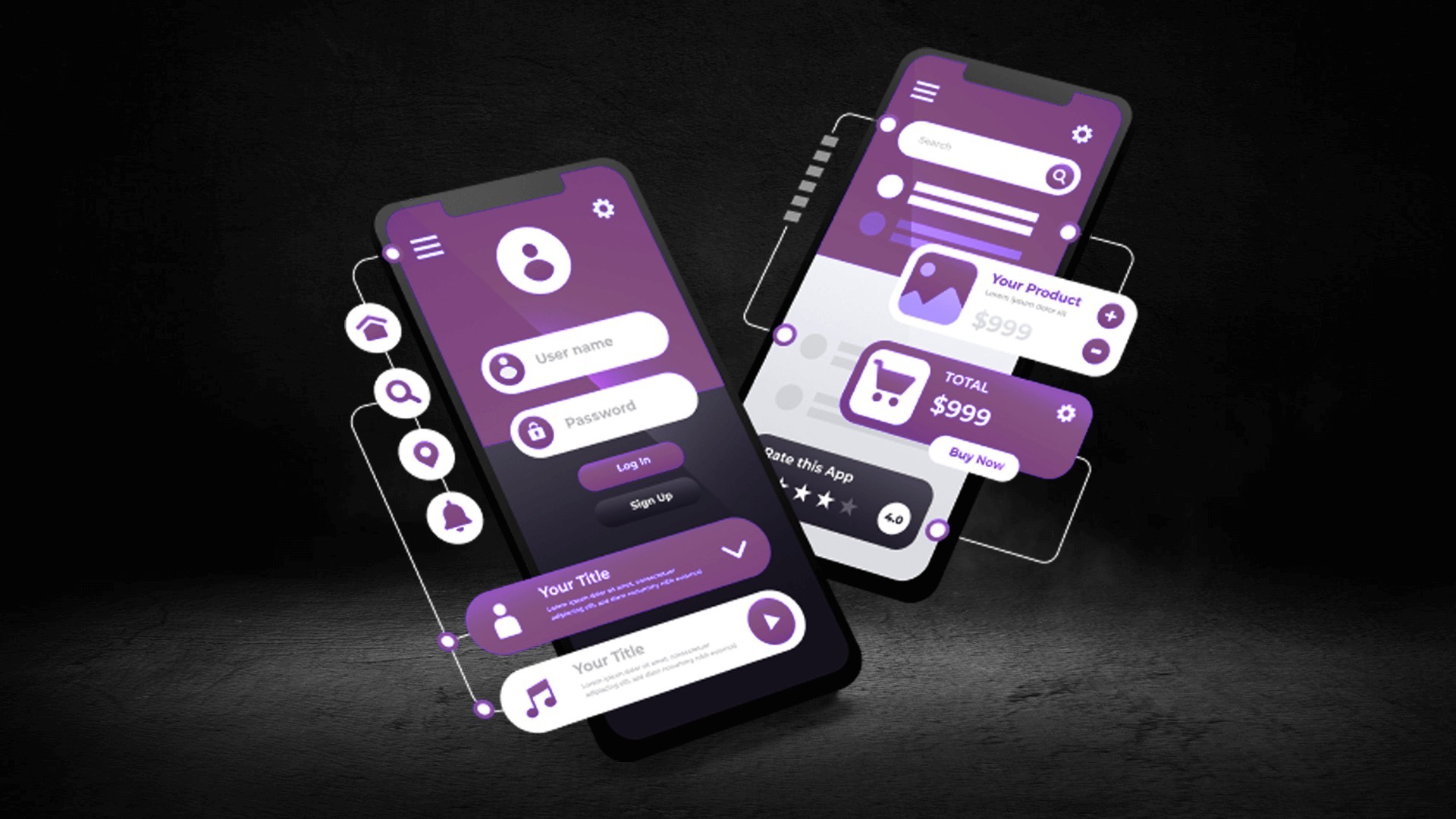
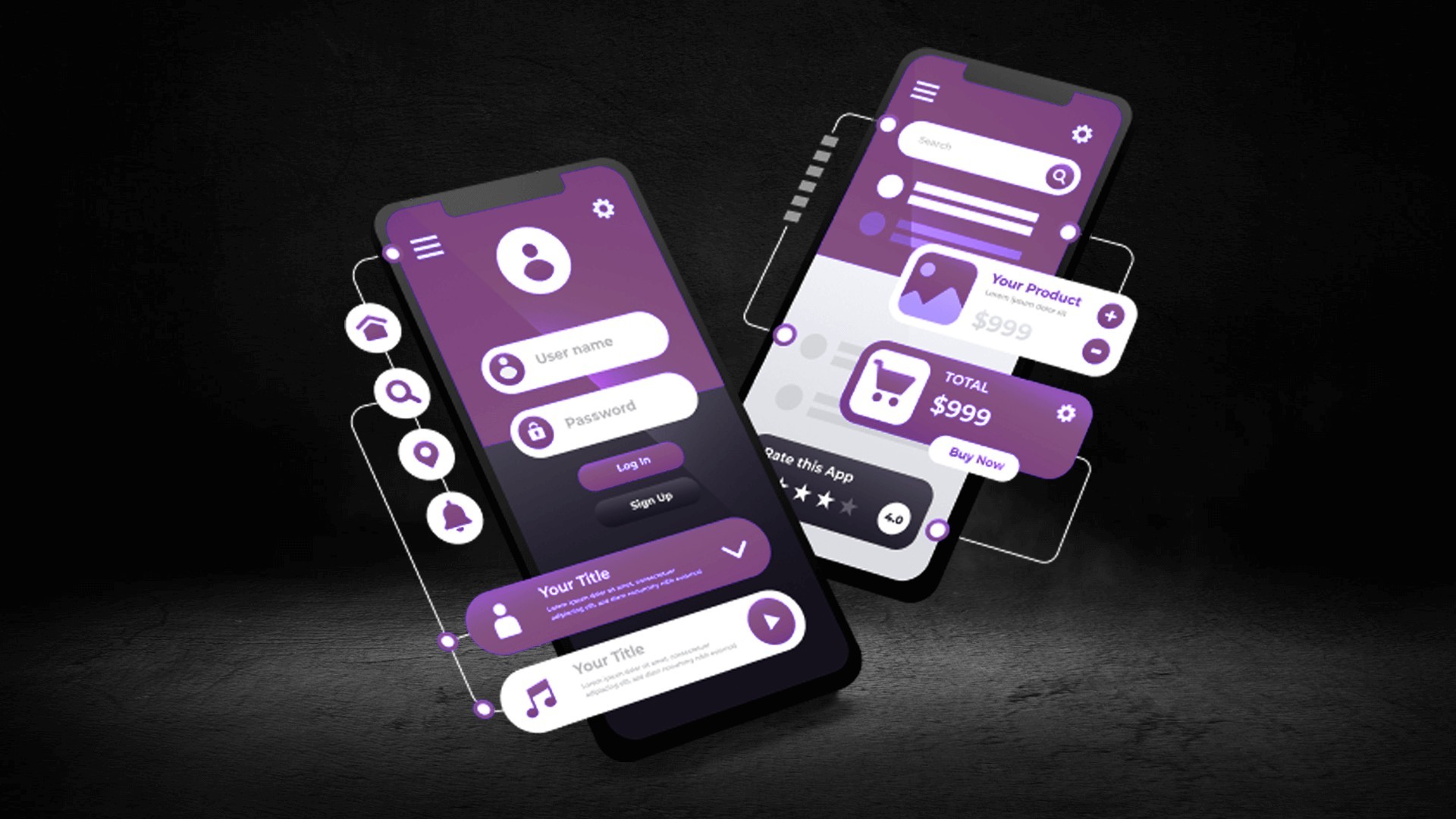
Good mobile applications usuallyprovide clear menus, simple navigation, readable content, responsive controls,and consistent layouts. Users should be able to understand how an applicationworks without needing extensive instructions.
Accessibility is also important.Applications should consider different users and provide experiences that arecomfortable across different devices, screen sizes, and abilities.
Securityin Mobile Applications
Mobile applications often handlepersonal information, making security an important consideration. Users mayprovide names, contact details, location information, payment information, orother private data when using different applications.
Developers need to consider secureauthentication, data protection, encrypted communication, and responsibleinformation management. Regular updates are also important because they canaddress security vulnerabilities and improve application performance.
A secure application can provideusers with greater confidence when interacting with digital services.
TheFuture of Mobile Apps
The future of mobile applicationdevelopment is likely to involve more intelligent and immersive experiences.Artificial intelligence can make applications better at understanding userpreferences and providing personalized features.
Augmented reality can allow digitalinformation to appear within real-world environments, while wearable technologycan connect applications with smartwatches and other devices. Voice interactionand automation may also make applications easier to control.
As these technologies develop,mobile apps may become increasingly integrated into everyday activities ratherthan remaining separate tools.
CreatingBetter Digital Experiences
Developers need to focus on morethan simply adding features to an application. Successful apps should solvereal problems, provide smooth performance, protect user information, and offeran enjoyable experience user-focused mobile application solutions can help create applications that are practical,accessible, and adaptable to changing user expectations.
Continuous improvement is alsoimportant. User feedback, technological developments, and changing habits caninfluence how an application should evolve. Regular improvements can keep anapplication useful and relevant over time.
Conclusion
Mobile applications have changedeveryday life by making communication, education, entertainment, navigation,fitness, and many other activities more accessible. As smartphones and digitaltechnologies continue to evolve, mobile apps will likely become even moreintegrated into people's routines. The future of mobile application developmentwill depend on creating experiences that are useful, secure, simple, andenjoyable. By combining innovative technology with thoughtful design, mobileapplications can continue to make everyday digital interactions more convenientand meaningful.














Facebook Conversations