
Make Your Bakery Products Stand Out with Personalized Bread Packaging
Discover how custom printed bread bags enhance bakery presentation, strengthen brand recognition, and provide convenient packaging solutions for bread shops and food businesses.

Freshly baked bread deserves packaging that reflects the care and craftsmanship behind every loaf. Whether customers purchase artisan sourdough, traditional sandwich bread, or specialty bakery products, the way these items are presented can influence their overall shopping experience. Attractive packaging creates a professional impression while helping businesses communicate their identity.
For bakeries, cafés, grocery stores, and food retailers, bread packaging should combine practical functionality with appealing design. Suitable materials can support handling and presentation, while personalized artwork helps establish consistency across different product categories. Thoughtful packaging can also make everyday purchases feel more distinctive.
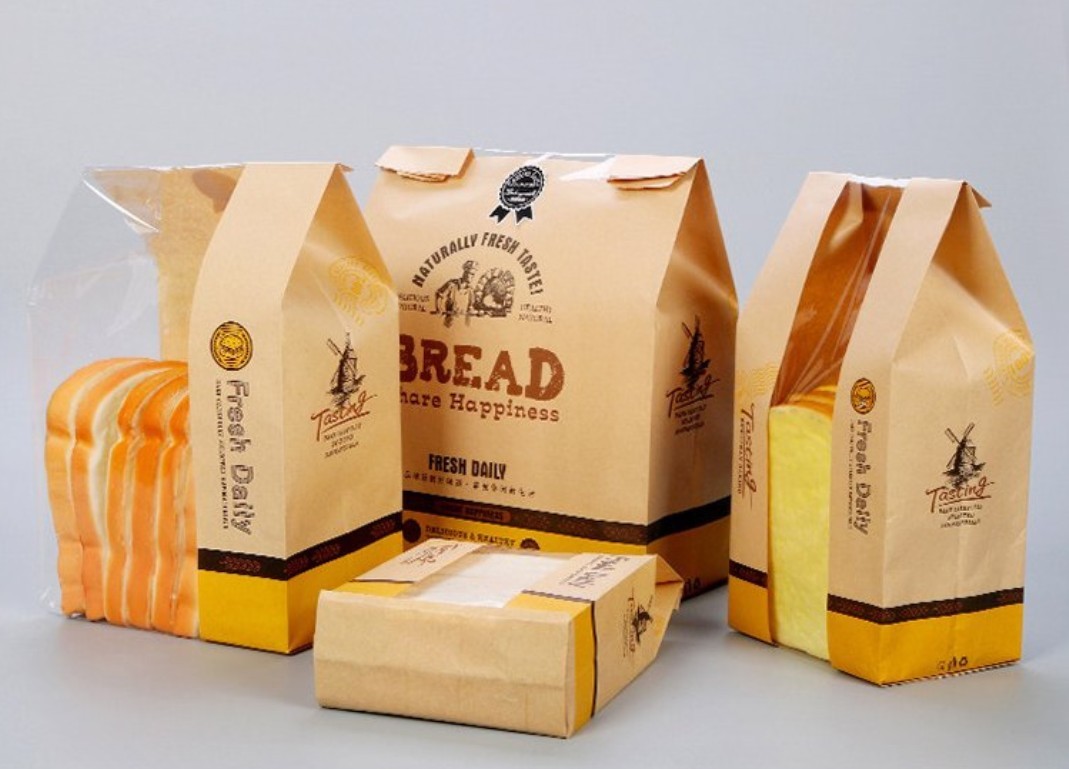
Using custom printed bread bags allows businesses to incorporate recognizable logos, colours, and decorative patterns into their packaging. These personalized bags can complement a bakery's overall branding while offering a convenient presentation format for various bread products.
Why Branded Bread Packaging Matters
Packaging is often the first physical interaction customers have with a bakery product. Before tasting the bread, they notice the bag, its appearance, and how the product has been presented.
A professionally designed bag can communicate attention to detail and help customers identify the business behind their purchase.
For independent bakeries, recognizable packaging is particularly valuable because it creates consistency across everyday transactions.
When the same logo or visual theme appears on bread bags, pastry boxes, takeaway cups, and other materials, customers experience a more coordinated brand identity.
Printed bags may also increase brand visibility when customers carry their purchases through public spaces or share photographs of their bakery products.
Although attractive packaging cannot replace product quality, it can complement the overall experience and make the business more memorable.
Creative Design Ideas for Bakery Bags
Personalized bread bags provide opportunities to develop packaging that reflects the character of a bakery.
Some businesses prefer traditional designs featuring warm colours, elegant lettering, and illustrations inspired by wheat or baking. Others choose contemporary graphics and minimalist layouts to create a modern appearance.
A repeating logo pattern can provide recognizable branding without overwhelming the packaging.
Businesses may also incorporate short brand messages, decorative borders, or carefully selected typography.
The most effective designs consider how the bag will appear when filled with bread. Important graphics should remain visible during normal handling and display.
Colour selection should also complement the material. Natural kraft-style paper can support a rustic aesthetic, while white paper provides a clean background for colourful printed artwork.
Reviewing artwork proofs and physical samples before production can help ensure that the finished design meets expectations.
Choosing the Right Bag Size for Different Bread Products
Bread products vary considerably in shape and dimensions, making bag selection an important part of packaging planning.
A long baguette requires a different format from a round artisan loaf or a compact bread roll.
Using appropriately sized bags can improve presentation and make products easier to package.
Common considerations include:
Bag width and height.
Product shape and overall dimensions.
The amount of space required for convenient handling.
Material strength and folding characteristics.
Whether additional closure features are necessary.
Available storage space at the bakery.
Businesses should test different bag sizes using their actual products before placing a large order.
An oversized bag may create unnecessary folds, while an undersized format can make packaging difficult.
Choosing practical dimensions helps employees work efficiently and ensures that customers receive products in a neat, professional presentation.
Understanding Material Quality and Bread Packaging Requirements
The material used for bread bags should be selected according to the characteristics of the products being packaged.
Different paper grades offer varying levels of thickness, flexibility, strength, and breathability.
For example, crusty artisan bread may have different packaging requirements from softer products that need additional protection against moisture loss.
Packaging conditions can also influence the product's texture. Warm bread may release moisture after packaging, so businesses should establish suitable cooling and handling practices before placing products into bags.
Food-contact suitability is another essential consideration. The finished packaging, including printed inks and any coatings, should be appropriate for its intended application.
Environmental claims should also be verified. Recyclability and compostability depend on the complete material construction and available local processing facilities.
Requesting samples and reviewing supplier specifications can help businesses make informed purchasing decisions.
Improving Everyday Bakery Operations
Efficient packaging routines are especially important during busy bakery hours.
Employees need supplies that are easy to access, convenient to fill, and suitable for frequently purchased products.
Maintaining a selection of appropriately sized bread bags can help reduce unnecessary handling and improve consistency across customer orders.
Businesses may also benefit from organizing packaging supplies according to product categories.
For example, bags intended for baguettes can be stored separately from those used for sandwich loaves or individual rolls.
Clear storage arrangements make it easier for employees to select the correct format during periods of increased demand.
Inventory planning is equally important. Monitoring packaging consumption can help bakeries anticipate future requirements and avoid interruptions caused by insufficient supplies.
A practical packaging system allows staff to spend more time focusing on food preparation and customer service.
Building a Recognizable Bakery Identity
Strong branding depends on creating consistent visual experiences across multiple customer interactions.
Printed bread bags can support this objective by displaying familiar colours, logos, and design elements every time a customer makes a purchase.
Businesses can extend the same visual identity to pastry boxes, takeaway bags, food liners, and promotional packaging.
A coordinated appearance helps customers associate different products with the same bakery, even when their packaging formats vary.
Seasonal designs can also introduce variety.
For example, a bakery may develop special packaging for festive collections, anniversary promotions, or limited-edition bread products while maintaining its established branding.
These creative additions can make packaging more engaging without sacrificing brand recognition.
Coordinating Bread Bags with Other Food Packaging
Bread bags are often one component of a larger packaging collection.
Bakeries that sell sandwiches, pastries, and takeaway snacks may require additional materials to support different food presentation needs.
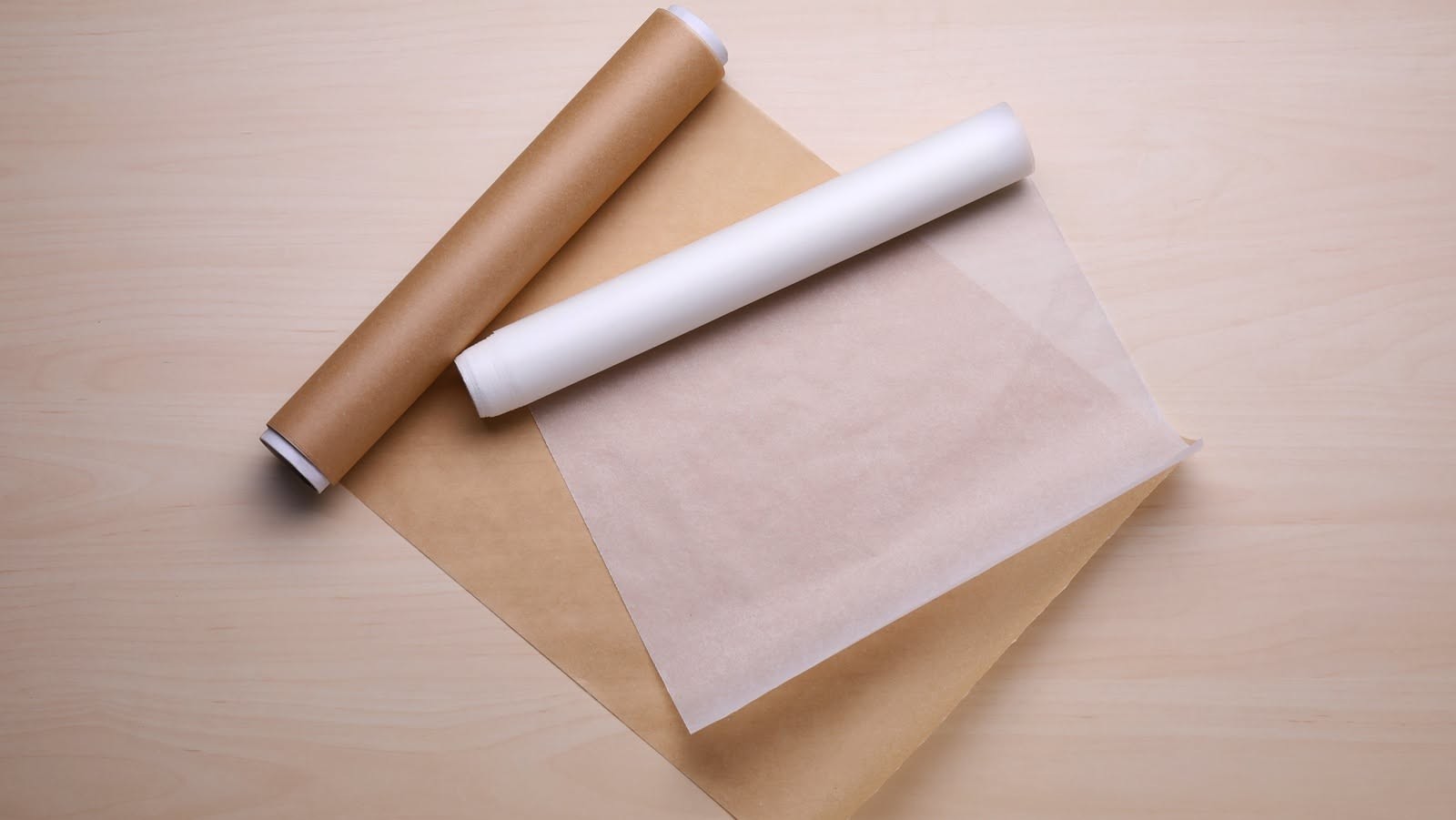
Incorporating branded greaseproof paper can help create a coordinated appearance across suitable wrapping and serving applications.
When different packaging products share similar logos, colours, and graphic styles, customers encounter a more unified brand experience.
Businesses should select each material according to its intended application rather than assuming that one paper type will suit every product.
Before ordering, reviewing samples can help evaluate print clarity, texture, dimensions, and compatibility with existing packaging designs.
Thoughtful coordination allows businesses to develop a professional packaging collection that supports both product presentation and everyday convenience.
Conclusion
Personalized bread packaging offers bakeries and food retailers a practical opportunity to strengthen their visual identity while improving product presentation.
By choosing suitable bag dimensions, appropriate materials, and attractive printed designs, businesses can create packaging that complements their products and supports efficient daily operations.
Coordinating bread bags with other branded materials can further reinforce recognition across different menu categories.
With careful planning, even a simple bread bag can become a meaningful part of the customer experience and help communicate the quality and personality of a bakery.












Facebook Conversations