
Affordable Healthcare for Low-Income Families
Explore how affordable healthcare, early diagnosis, and community support can help low-income families manage chronic diseases.

Making Chronic Disease Care More Accessible for Low-Income Families
Access to healthcare is essential for maintaining a healthy and productive life. However, for many low-income families, managing a chronic illness can become a continuous financial and personal challenge. Conditions such as diabetes, high blood pressure, heart disease, and kidney disease often require regular medical appointments, diagnostic tests, medication, and long-term monitoring. When these services are difficult to afford, patients may delay treatment or struggle to follow their healthcare plans. Access to quality patient care can help individuals receive appropriate medical attention and support throughout their treatment journey.
Improving access to affordable medical services is an important part of community development. Healthcare assistance, public awareness, and charitable initiatives can help vulnerable individuals receive essential support. Non-profit organizations and welfare initiatives play a valuable role in connecting deserving patients with medical services and making healthcare more accessible to families facing financial difficulties.
Understanding the Challenges of Chronic Disease Management
Chronic diseases are long-term health conditions that often require ongoing medical attention. Unlike short-term illnesses, they may involve regular monitoring and treatment over several years. Although many chronic conditions can be managed with appropriate care, the process may place considerable pressure on patients and their families.
Some common challenges include:
- Treatment expenses: Regular consultations, medicines, laboratory tests, and procedures can become expensive.
Limited healthcare facilities: People living in underserved areas may have difficulty reaching hospitals or specialized clinics.
Lack of awareness: Patients may not fully understand their condition, treatment requirements, or potential complications.
Transportation difficulties: Frequent medical appointments can be challenging for families without reliable transportation.
Interrupted treatment: Financial difficulties may cause patients to postpone appointments or struggle to obtain prescribed medicines.
These barriers demonstrate why affordable healthcare should focus not only on medical facilities but also on the practical circumstances of patients.
Why Early Medical Attention Matters
Many chronic conditions develop gradually and may not produce noticeable symptoms during their early stages. People sometimes ignore warning signs or avoid medical consultations because of financial concerns.
Regular health assessments can help identify potential problems and allow healthcare professionals to recommend suitable treatment. For example, monitoring blood pressure and blood glucose levels can be important for individuals at risk of cardiovascular and kidney complications.
Early medical attention may help prevent certain complications, although outcomes depend on the condition and individual circumstances. Patients should consult qualified healthcare professionals rather than relying on self-diagnosis or unverified treatments.
The Importance of Affordable Healthcare Services
Affordable healthcare allows more people to seek medical advice when they need it. When essential services are financially accessible, families may find it easier to maintain treatment schedules and attend recommended follow-up appointments.
Important areas of support include:
Affordable consultations: Access to qualified doctors helps patients receive appropriate assessments and treatment guidance.
Diagnostic services: Laboratory tests and medical investigations help healthcare professionals monitor conditions.
Medication assistance: Support with prescribed medicines can reduce the financial pressure on patients.
Specialized treatment: Patients with complex conditions may require access to specialist care and ongoing procedures.
Health education: Reliable information helps individuals understand their conditions and make informed decisions.
Healthcare support programs should be designed around genuine patient needs, with clear eligibility criteria and responsible use of available resources.
Kidney Disease and the Need for Long-Term Support
Kidney disease is one example of a condition that can create significant challenges for patients and their families. Healthy kidneys remove waste products and excess fluid from the blood while helping maintain important balances within the body.
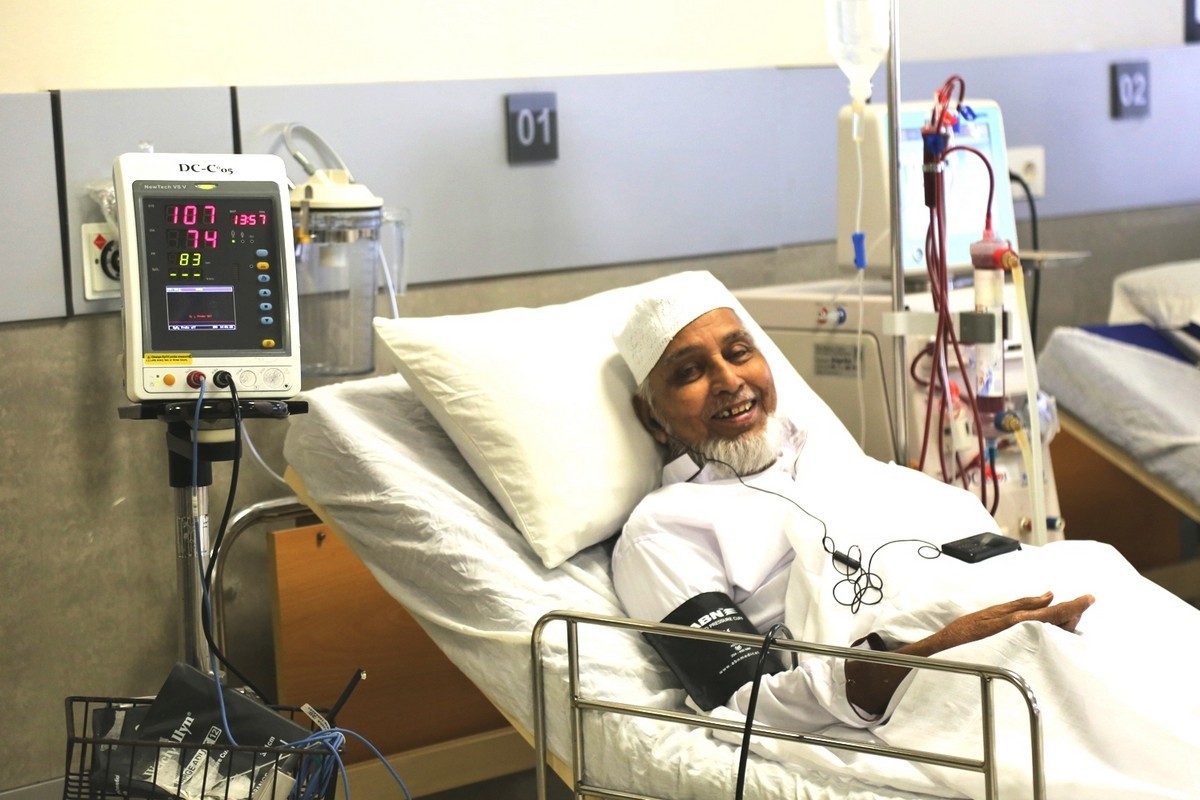
When kidney function declines significantly, patients may require specialized medical treatment. Some people with kidney failure need dialysis, a procedure that performs important filtering functions when the kidneys can no longer do so adequately.
Dialysis often requires regular sessions and continued medical supervision. For families with limited financial resources, the associated expenses and travel requirements can be difficult to manage.
Access to reliable information about kidney diseases and their management can help individuals understand common conditions and the importance of professional medical guidance.
Patients should follow their healthcare team's recommendations regarding treatment, medication, nutrition, and fluid intake. Their needs can differ considerably, so general advice should never replace an individualized medical plan.
How Community Organizations Can Help
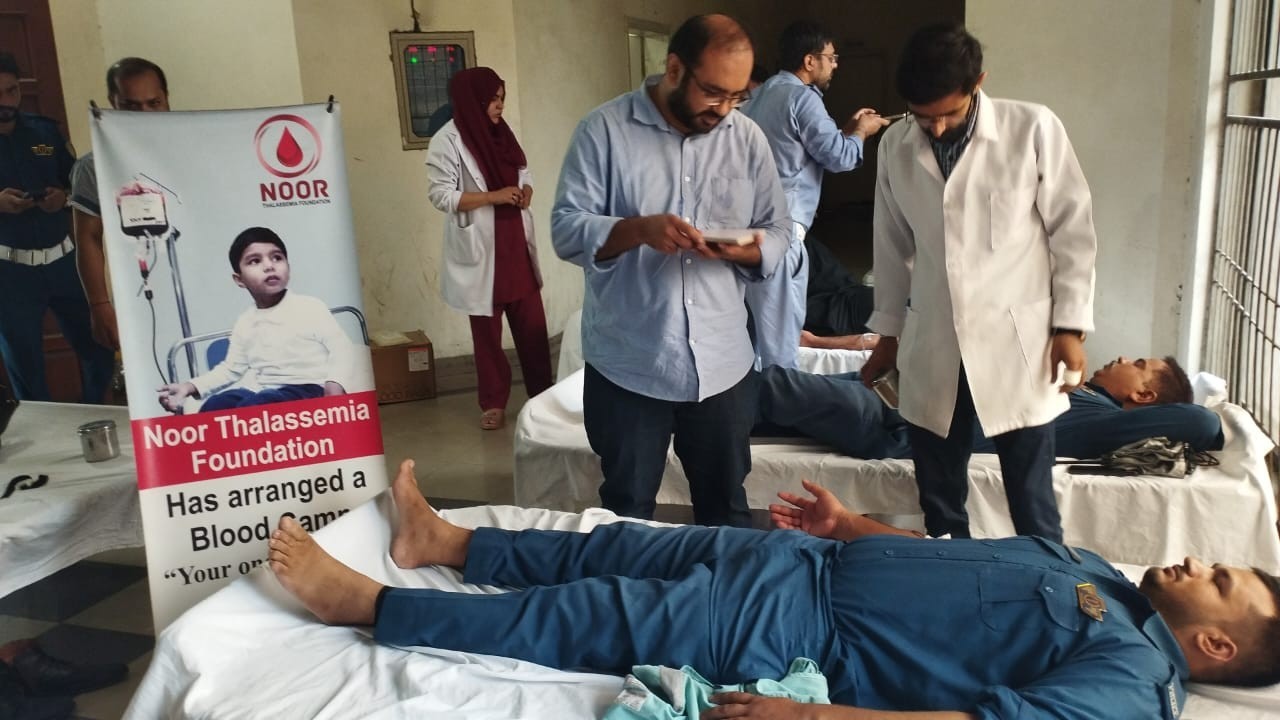
Community organizations and charitable foundations can play a valuable role in reducing healthcare barriers. They can connect eligible patients with available services, encourage awareness, and provide assistance to families facing financial difficulties.
Their contribution may include:
Supporting deserving patients who cannot afford essential treatment.
Helping eligible individuals access dialysis and other healthcare services.
Organizing health awareness activities within local communities.
Sharing reliable information about common medical conditions.
Encouraging charitable donations and volunteer participation.
Connecting families with relevant welfare and support programs.
For these initiatives to remain effective, organizations need transparent processes, responsible resource management, and a clear understanding of community needs.
Practical Ways to Improve Healthcare Access
Improving healthcare access requires cooperation between healthcare providers, government institutions, charitable organizations, and local communities.
Some practical steps include:
AreaPossible improvement
Health awarenessOrganize educational sessions and information campaigns
Medical accessStrengthen affordable clinics and community health services
Financial assistanceSupport eligible patients with essential treatment expenses
TransportationExplore practical travel assistance for patients
Early diagnosisEncourage appropriate screening for people at risk
Community participationPromote responsible volunteering and charitable giving
Digital health information can also help people understand common conditions and locate appropriate services. However, online information should come from credible sources, and personal medical decisions should always involve qualified professionals.
Conclusion
Managing a chronic illness should not become an impossible financial burden for individuals and families. Affordable healthcare, early medical attention, reliable information, and community assistance can help reduce barriers that prevent people from receiving appropriate treatment.
Chronic conditions often require long-term commitment, and patients need more than occasional medical attention. They benefit from consistent guidance, accessible services, and a supportive environment. By working together, healthcare providers, charitable organizations, donors, and communities can help make essential medical support more accessible and promote a healthier future for vulnerable families.












Facebook Conversations